The book recommends we don't run the water with the baby in the bath, since there might be quite big temperature differences between bits where the hot water's flowing in and other bits, so we might touch a moderately warm bit, not realise it's hotter in other places and think the temperature's allright when it isn't in parts. It also says we ought to turn the hot tap off first, so by the time the baby gets in the bath, any drips from it will be cold so they don't scald the baby. Putting the cold water in the bath before the hot can be a good safety move.
It also suggests we could set the temperature of the hot water tank at 49°C or lower, saying that will prevent the hot water ever getting hot enough to scald anyone. It'll be a good idea to try and teach the baby not to touch the taps when it gets old enough to be able to turn them on, since they could be scalded by the hot water coming out.
It says we ought to pay attention to making sure the place we bath the baby in is warm and not drafty, for the baby's comfort.
It says it's only necessary to put soap on the especially dirty bits of the baby every time they're bathed. The other bits can be soaped less often, maybe only every other time we bathe them or a bit less, unless their skin seems dry, in which case we can use even less, since soap dries the skin to some extent. It recommends we don't add bubble bath or a baby soap product to the bathwater, since they can dry a baby's skin.
The book recommends washing the nappy area last so as not to spread germs to other bits with the flannels we use.
It says when washing a baby's hair, it's best not to put all that much shampoo on, since that'll make it more difficult to rinse. It says the hair will only need washing once or twice a week unless it's unusually greasy or something.
It says when the baby's big enough to be washed in the big bath, it's best to use a shower head to wet their hair rather than lowering them backwards into the bath water, because that'll make them feel vulnerable.
The book says another way is to rinse the hair with cupfuls of water.
It's best not to playfully splash the baby while playing with them in the bath, since though they'll probably love to splash us, babies tend not to enjoy being splashed in return, and it might put them off baths for a while.
The book says if we give the baby toys to play with in the bath every time, it's best to dry them all thoroughly afterwards to eliminate the risk of them getting mildew on them. And it recommends we clean any bath toys that water tends to get stuck in once a week in water with a few drops of bleach in it, rinsing them thoroughly afterwards, to prevent bacteria that could cause infection building up.
The book says there are a few things that can be done to get the baby used to the big bath before bathing them in it for real:
The book says a baby who's a bit scared of going in the big bath at first will likely go in it eventually, but is more likely to do it without fussing if they're not pressured into it but allowed to go at their own pace.
The book says that while it can be worth wiping the baby's outer ears with a flannel or cotton wool ball, it can actually be dangerous to put anything into the baby's ear canal, whether it be a cotton bud or finger or whatever. Trying to get wax out by putting something into the ear might just accidentally push it further in. If there seems to be a lot of wax there, it's best to speak to the doctor about it next time we visit. The book says the ear's self-cleaning.
It's the same with the nose; the book says it'll usually sort itself out; putting a finger or anything else in it to get rid of any yucky stuff might accidentally push it further in or scratch the delicate inside with a fingernail or something else. The outside can be wiped though.
It's best to start brushing when the first teeth come through to keep them healthy, but there are baby toothbrushes that are very small and soft and only have about three rows of bristles. A pharmacist could help us find one. They can just be moistened with water for a while, rather than having toothpaste on them. Or a clean flannel will do to just wipe the teeth in the beginning. In fact, at the very start, it might be better.
The book recommends we brush or wipe the teeth after each of the baby's meals and before their bedtime. But it says we should be gentle, since baby teeth are only soft.
The book says when we start using toothpaste, it's best at first to get one specially for a toddler, without fluoride, since babies tend to love the taste of toothpaste and will often swallow it. If we do get one with fluoride, it's best not to put large amounts on the brush each time; pea-sized ones will do.
When the baby gets to be a toddler, they might want to clean their teeth themselves. We can happily let them, perhaps letting them wipe their teeth after each meal and just cleaning them more thoroughly for them before bedtime.
The book says feeding them healthy foods will have just as much impact on how healthy the baby's teeth are as brushing their teeth. Foods high in healthy minerals and vitamins will help, while we ought to limit the number of sugary things we give them. Also, it's best not to let them sleep with a bottle or breast in their mouth often, since the sugar in the fluids can stay still in the baby's mouth and make tooth decay more likely.
Part Six
Changing the Baby's Nappy
The book What to Expect the First Year says it's best to change a baby's nappy often to reduce the chances of them getting nappy rash and skin irritations. So even though we might not enjoy doing it and the baby won't either, it can be best to change their nappy at the very least before or after every feed we give them during the day and every time they do a bowel movement. The book says it's easier to tell if the baby's got a wet nappy when using cloth nappies; disposable ones are absorbent so they won't feel so wet so it might take more effort to find out.
When wiping the baby's bottom clean after taking their nappy off, it's best to wipe from front to back, even with boys, to minimise the chances of germs from the back passage getting into the front bit, finding their way up it and causing a painful urine infection. If one does seem to be happening despite best efforts, - for instance if the baby seems to be in pain during and after they urinate or the urine's a bit smellier than normal or contains any blood or is discoloured, - as well as consulting a doctor, giving the baby more fluids than usual can ease the pain and help flush the germs out of the system that are causing it.
The book says it's best if we remember everything we'll need and get it together before changing the baby's nappy, especially when we go out, so we don't take it off and then have nothing to clean up the mess with. It lists some things it'll be useful for us to have:
- A clean nappy, naturally.
- Cotton wool balls and warm water for babies under a month old or those with nappy rash, along with a small towel or dry flannel for drying. Baby wipes will do for other babies.
- A change of clothing in case the baby's nappy has leaked.
That reminds me of something my sister said. A bug was going around their house and her baby had diarrhoea, and it leaked out of the nappy and went down her leg. When my sister took the baby's nappy off she said, "This is an exciting nappy!" Her husband said in surprise, "How can you say that?!" She said it was better than saying something like, "You disgusting baby!"
- The book says we also need to remember to have waterproof pants to hand to put over cloth nappies, or nappy wraps for disposable ones.
I don't imagine someone could forget things like that too many times!
- We might also need creams or ointments for nappy rash. But it says we won't need powders or anything like that.
The book recommends we wash our hands before we change a nappy, or at least rub them over with a baby wipe. It says disposable nappies are easy to put on a baby because if we get them in position, we only need to bring the front of them through the baby's legs and fasten the tabs. It says we need to be careful not to get cream on the tabs though or they won't fasten well, although velcro ones won't be affected so much.
It says it's advisable to always put the baby on something that'll catch any drips if they wet themselves while their nappy's off, like another cloth nappy or changing mat.
Oh yes, that reminds me; my sister once said that when her baby was about eight months old, she did a wee on the changing mat while her nappy was off, and she looked shocked, as if she hadn't realised that would happen, as if she still hadn't learned she could control it and didn't expect it. I think it's another year before parents are recommended to start potty training, when their babies are really toddlers and have got more awareness of that kind of thing.

The book recommends we entertain the baby while changing them, or that someone else does while we change them. That'll make it easier to keep them from fidgeting or moving or crying. They could be entertained if we make funny faces at them, or sing to them or talk or do funny voices or imitate their baby language and so on. It could be us doing that or someone who's with us. If it's someone with us, they could dance or jump about or wave their arms or do any number of clownish things. Or we could distract the baby with something like a mobile hanging over the changing table or a music box, or another pretty thing or stuffed toy or some other toy that the baby can easily see and will enjoy just looking at at first, and when it's older, reach and play with. The book does caution that we shouldn't let them play with tubes of cream or anything like that, in case they get some in their mouths or all over them. But baby-friendly things that'll help take their minds off what's going on will help us get the job done more quickly.
The book warns we should never leave the baby unattended while changing its nappy even for a moment. It might roll off any table it's on. Even if we think it's too young, it might be just learning the skill of rolling and we haven't seen it yet so we don't realise.

That reminds me. I once overheard someone say that when her oldest daughter was a baby, she put her on a work surface in the kitchen so she was at her level, but she rolled off. That was years ago. Her daughter's grown up now and doing quite well for herself, so no lasting harm was done, thankfully.
The book says that to change the nappy itself, a good way is to first unfasten it but not take it off. We can look at what's happened in it first. If there's poo in it, we can use a clean part of the nappy to wipe most of it away from the baby's bottom. It recommends that with boy babies, the person changing their nappy holds it over their penis while they're doing that to protect themselves against possible spurts of wee.
Then it recommends we fold the nappy so all the dirt's inside, and put it under the baby so they're resting on a bit that's clean, so if they do a wee or poo before we manage to change them it'll go on the nappy, and then we clean the bits at their front thoroughly with warm water or a baby wipe, making sure we get into all the creases. Then we can lift their legs and do the same with their bottom, and then slip the dirty nappy out from underneath them and quickly replace it with the clean one before we put their legs down.
The book says baby boys often get erections during nappy changes, but it's normal, not a sign we're doing something wrong.
It says we should pat a baby dry if we used water to clean them, and make sure they're completely dry before putting a new nappy on them or using ointments or creams.
If the Baby Has Nappy Rash

While germs in dirty nappies can have a lot to do with nappy rash, using a lot of soap on the area can irritate the skin further, and ones labelled mild or gentle often aren't much better. Nappies that are too tight can aggravate the problem. The book recommends using soap only once a day, and the rest of the time, using warm water for thirty seconds to a minute each time, with cotton wool balls. Sometimes it's best to use those instead of baby wipes because baby wipes can contain substances that can irritate tender skin. Different babies' skins can be sensitive to different substances, so trying different ones might be a decent idea sometimes. But not using them at all but using warm water and cotton wool balls is best when the baby's got a rash. It's best to change a nappy as soon as we notice it's wet or dirty so as to prevent nappy rash or give it a chance of healing sooner if it's there already.
The book says if the baby's done a really messy bowel movement, they can be dipped in the bath or sink for a clean. A sticky mess could be cleaned away by gently using baby oil. It'll be important to pat the baby completely dry after washing, since nappy rash can get worse in a moist environment.
Once the baby starts getting some of their nourishment from solid food, we can reduce the amount of liquid they take in a bit, since the more they drink, the more they'll urinate and the more their nappy will be wet so the nappy rash will stay around.
The book recommends we keep the baby's bottom bare for part of the day to let the air get to it, since nappy rash can get worse if no air gets to it. It recommends we could put the baby on a couple of folded cloth nappies over a plastic or waterproof pad or sheet. The nappies will soak up moisture if the baby wees while their bottom's bare. If the nappy rash is persistent, we could let the baby sleep like that sometimes, as long as we're sure their room's warm enough. Or we could put them in a nappy but still let a bit of air get to them. If they're in a cloth nappy, that could be done by not putting plastic pants on them but putting them down on a waterproof pad or something like that instead.
Wow, it would be bound to need a lot of washing.
It suggests we could poke a few holes in disposable nappies, which would both let some air in and let moisture out which would make us realise the baby's nappy needed changing more often.
Another thing it suggests is that we change the type of nappies we put them in and see if that helps, if the nappy rash keeps coming back. If we've been using cloth nappies, we could try disposable ones, and vice versa. Or we could try different types of disposable nappies, since some might be better than others.
If using nappies we wash ourselves, it says nappies could be boiled in a large pot for ten minutes after washing to kill more germs. It also says there are special nappy rinses people can get.
It says there are creams that can be put on the baby to form a barrier between whatever irritants are in the baby's urine and their skin. They can be spread thickly on the skin after changing and cleaning. We could ask the doctor to recommend one. We need to make sure the baby's skin's properly dry first though, or the cream will just trap the moisture in, rather than stopping so much getting in, and that'll lead to more nappy rashes. It recommends we don't use it when the baby's bottom's bare and being given an airing though. It doesn't say why.
The book warns that we mustn't use rash creams others in the family are using on the baby, since they might be too strong for someone that young, and because creams containing a combination of steroids and anti-fungal or anti-bacterial agents that are often used for rashes can cause allergic skin reactions, and the baby's skin could be sensitised to them if we use them.
It says if the baby's nappy rash doesn't clear up in a day or two, or if it develops blisters or pustules, it's best to speak to the doctor about it. They'll probably prescribe a cream or an antibiotic. We can ask them how long the rash should take to clear up. If it hasn't cleared up by the time they thought it would, or if what they've prescribed seems to make the baby's rash worse, we can see them again, and ask if they can give any other advice, perhaps about what foods are best to feed the baby. Some foods might cause the wee or poo to have more irritants in it.
Part Nine
Trying to Make Sure Clothes and Other Things Bought for and Given to the Baby are Safe
Even in this day and age with modern safety standards, it seems it's still important to watch out for things that might make things less safe, and pick and choose things with safety in mind.
Buying a Cot or Cradle

We need to bear safety standards in mind while buying a cot; there are apparently some that have the slats too wide apart so the baby could possibly squeeze through and fall out when they can move enough, or get part of themselves stuck between them. It's best if the slats are less than 3 inches apart. It shouldn't be possible to pass a coke can through them; they should be too close together for that. Also, the slats on the sides should be vertical, going up rather than along horizontally, so the baby won't be able to use them as a ladder to climb up the side of the cot when they get more active and risk falling out.
It's also important to make sure slats or any other part of a cot or crib have no splintery bits or sharp edges.
The book says it's important to look for a label on a cot saying safety standards have been met, since even up until the 1990s, some didn't come up to all the safety standards, and it's just possible that a few might not now, and older ones passed on second-hand might not. It says it's important to make sure the cot hasn't got any splintery bits or cracks in the wood, knobs or other bits jutting out, such as high corner posts a baby could get their clothes caught on which could cause them to become pulled up around the neck so there's a risk the baby could be strangled, or peeling paint. Old ones might even have lead in the paint.
The mechanism for securing the side in the up position should be firm enough that a baby couldn't get the cot side down on its own; and it should be possible to have the rail nearly a foot above the mattress even when the side's down. And the book says it's best if there's a metal mattress support, which will be more durable than wood if the baby wants to jump up and down on the mattress a lot when it gets to be a toddler.
It's advisable not to have a pillow or a duvet or fluffy blankets or a very soft mattress in the cot, because the baby could get their nose and mouth buried in such things so they could be a suffocation risk. Likewise with cot bumper pads that can be put at the end and around the sides to pad the cot slats to make them softer; the book says it's safer not to have them at all in the cot in case the baby gets their face buried in one and suffocates. Also some makes have cords to tie them to the cot slats which are long enough that the baby could move in such a way as to get one caught around their neck and be strangled. That kind of thing doesn't happen often, but still, it's apparently best not to have them.
Babies should be settled down to sleep on their backs to further minimise the risk of suffocation. And the mattress should fit the cot snugly; if it's even a bit too small, there's a risk that the baby could crawl underneath and get their head stuck. When putting them to bed, it's apparently best to put them with their feet close to the bottom end of the cot and the bed clothes tucked in no higher than their shoulders, so they don't wriggle down under the covers so the covers become a suffocation risk.
It's best to buy a cot mattress that we're sure will be easy to clean. Some are easy to wipe clean, and some have removable top panels that can be washed at a high temperature to kill germs. Or there are mattress covers/protectors that can be taken off and washed if the baby dribbles or vomits on it or their nappy leaks on it or they've just had a bad cough and likely sprayed germs around it that they could possibly be reinfected by or whatever. It's best to wash them quite often.
Old-fashioned cradles might look nice, but if a bit worn or not well-built, it's possible the bottom could fall out; and if too near the ground, there could be a problem if there's a pet dog in the house. Also, in the old days they didn't realise lead paint was toxic, so any antique thing painted with that could be a hazard. Anything painted before 1972 might have it.
Cradles or carrycots could come in handy when the baby's little, partly because they could be put just by the side of the bed so it's handy to get the baby out in the middle of the night without having to get up and walk around. But some are safer than others: If it has wheels, it should have wheel locks to stop it moving around. Otherwise, leaning against it could accidentally move it, or other children in the house might wheel it around and possibly take it places where it puts the baby in danger, such as the stairs. Also, if it rocks, make sure there's a lock on it to stop it doing that when it's not being supervised, or the baby could roll to one side and get its head buried in the fabric. Also make sure the sides are firm and couldn't collapse on the baby and make it more difficult for them to breathe.
If buying a night-light for the baby's room, we need to make sure it isn't within reach of the baby, and that it's safe to leave it on.
Safe Furniture
When buying furniture in general, it's best to look for things that are built sturdily and couldn't possibly tip if jumped up on or crawled on one side of and so on. It's best to get things with smooth edges and rounded corners, nothing that could be a bit sharp or jagged if the baby was to bump up against them or run their fingers along them. Also, it's best not to get anything with small parts that could break off that the baby could swallow. Also it's advisable that things don't have ribbons, cords or strings longer than six inches that the baby could accidentally wrap around their neck.
It's important to follow the manufacturers' directions for using things, and also to regularly check the baby's cot, baby seat and other things for loose screws, frayed straps, snapped supports and other signs that things aren't now as safe as they should be.
If registration cards come with the products, it's best to fill them in and send them in, just in case a product's recalled because of some fault that's been discovered; if the company has our details they can notify us.
For Anyone Who Wants to Buy a Nappy Changing Table
If buying a nappy (diaper) changing table, it's important to get one with a guard rail at least a couple of inches high around all four sides, and a safety strap so the baby can't move around that much and fall off. We should never leave a baby unsupervised on a table, even for a matter of seconds and even if they're strapped on. Injuries could be quite severe when falling from even table height, and it only takes seconds for a baby who's started to move to flip themselves over and fall off. People should always have the changing things within reach of the table, though not within the baby's reach, - so they don't have to go away and leave the baby unattended on the table, since they might fall off while a mother's back's turned. If buying a made-for-purpose changing table, people should make sure the place in it to store toiletries will be within easy reach of them but not in reach of the baby.
The table should slope down a little so the middle's a bit lower than the sides. It should be sturdy so there's no chance of it collapsing, even if a baby rolls right to the edge, and other things are put on it. We should shake ones we're thinking of buying in the shop to see if they feel wobbly or rickety. And it'll be nice to have some kind of padding on the table to keep the baby comfortable.
If using a second-hand changing table, it's important to make sure there are no nails sticking out or damage to it.
Some changing tables are safer than others; it's more risky to get one that's used as an ordinary table as well which has a flip-open top with a padded area inside for changing; if the baby crawls onto the top while it's open, or is put there, the whole thing can apparently tip over. Also, it's better to get a table that's wide and small rather than tall and thin, since it'll be more sturdy, and also closer to the ground if an accident does happen. But whatever the design, it's best to try to keep one hand on the baby all the time.
A lot of people don't use a changing table at all, but a changing mat on the floor. That way there's no chance of the baby crawling or wriggling so much they fall off and hurt themselves.
But one thing is that a mother has to think about her own comfort as well and what position makes changing the baby's nappy easiest.
Distracting the baby while changing them can help keep them calm, such as playing some kind of game with them or letting them hold something that's interesting to them because they don't usually get to play with it. Singing to them, and making funny sounds and faces can also help distract some babies from wriggling.
We should never let the baby play with a powder container. The book says if they open and shake it, they could inhale the powder and it could damage their lungs.
If using disposable nappies, we should put some clothing over them when the baby wears them, or apparently they could tear bits off the plastic lining and choke on them.
Cutting a Baby's Nails
If thinking about cutting the baby's nails, it's best to get baby nail scissors or baby nail clippers that won't have any sharp points, since adult scissors are sharper, and since babies wriggle around a lot, they can move when their nails are being cut and get cut themselves.
Cutting their nails might be a daunting task, but it's best to, since otherwise they can scratch themselves.
Ideally, it's easiest if two people are with the baby when their nails are cut, one to gently hold the hand still. To prevent accidentally cutting the baby's skin, it's best to gently push the skin away from the nails a little before cutting. If they do accidentally get jabbed and start bleeding, pressing down on the area a bit with a sterile gauze pad to stop the blood coming out can help, since the body will soon start to heal the area so the bleeding will stop.
If Buying Toiletries for the Baby

When buying toiletries for the baby, it can be best to buy ones with as few chemical additives and fragrances as possible, just in case they aggravate the baby's skin. And it's best if they're kept on a shelf out of the baby's reach, for instance if when changing the baby's nappy some are on a shelf above the place where they're being changed. It's best to look for products to wash the baby with that are gentle on the skin, and not to use all that much. It's thought that part of the reason babies sometimes get eczema is because some bathing products are too harsh on their skin.
Also, apparently it's best, if we're getting lotions, to buy some without peanut oil in them, since rubbing that on a baby's skin can increase the chance they'll have a peanut allergy, especially if they've already got a skin condition. That's the advice from the book What to Expect the First Year. Apparently most lotions made for babies in the UK don't contain peanut oil nowadays, but some made abroad do, as do some made here that aren't specifically intended for babies, so it's best to read the label.
When buying a baby bath, it's best if we make sure the one we get has a non-slip surface.
Buying a First Aid Kit
It's best to get some kind of first-aid kit for the baby with things in like plasters and bandages and creams to soothe wasp stings and nappy rash and things, a sun screen cream that's made for baby skin so it's gentle, anti-septic ointment to go on minor cuts and scrapes, and so on. Ask the doctor for recommendations. It's best if possible to do that before we ever need anything, since naturally we won't want to go and hunt for some in the shops if and when we do. It can be a good idea to have a little first-aid kit that we always take out with us when we take the baby anywhere, especially when they become a bit more active so they might hurt themselves; it could contain plasters, anti-septic cream, nappy rash cream and one or two other things.
If Buying an Infant Seat
When buying an infant seat for the baby to sit in at home, though most manufacturers will follow safety guidelines, it's best to make sure a product's safe before buying it. It's recommended we get one where the base is wider than the seat. Perhaps that's to prevent it from getting unstable because it's top-heavy with the baby in it and being at risk from tipping over. It's recommended that we push down on the seat to make sure it's sturdy, and check any locking mechanisms are decent. Also the base should be a non-skid one so it doesn't slip around on smooth surfaces. And the seat should have a safety strap, which should be done up every time the baby's in the seat to stop them falling out.
It's important that we never put the seat with the baby in it on a table or anything else the baby could fall off. Also, it's important not to put it on top of a washing machine or any other vibrating surface because the vibrations could cause the seat to move and fall. Also it's important not to put it on a soft surface like a bed or a sofa because it could fall over and the baby could get their head buried in whatever's making the surface soft and suffocate. The floor's probably the best place for one. But it's best not to put it near a wall or anything else the baby could push off from.
Infant seats that have been designed for the home should never be used in the car instead of a car safety seat. Babies need a specially-designed car safety seat for travelling, because only those can protect the baby from injury if there's an accident.
It's also recommended that we don't carry the seat with the baby in it.
If Buying a Baby Swing

A baby swing could provide a lot of enjoyment for the baby. Again, most will be up to safety standards, but again, if buying one, we should make sure it has a sturdy frame and a wide base, and no sharp edges or parts that could break off easily or hinges that could trap fingers. It'll also need safety straps so the baby can be strapped in.
We should check to see if a swing's safe for babies to use under six weeks old, since some aren't, and we should also check the manufacturer's recommendations for the maximum weight limit it can hold. It may be somewhere around 20 pounds.
A baby should never be left unsupervised in a baby swing, especially if it's on quite a high speed, since babies can sometimes get dizzy from a lot of swinging. So it's best if it's in the same room as the mother.
Safe Pushchairs

We should consider safety when buying a pushchair too. While all the ones sold nowadays should come up to safety standards, it's best to check to make sure, and it's especially important if getting a second-hand one.
They should have brakes that are easy to apply so the brake should be within easy reaching distance. Also, the effectiveness of the brake will depend on how good the tyres are, so they should be looked at regularly to check they're not worn.
Pushchairs must always be put up and down carefully, particularly bearing in mind that a child too close to one at the time, reaching their hand out towards it, could get their hand caught in it as it's collapsing, though ones that come up to safety standards have a mechanism to make that less likely, that means it will only collapse slowly when being folded up. Still, it's best to prevent a baby from playing with it in case they get their fingers caught, and also it's important to follow the manufacturers' instructions when unfolding and collapsing it.
Prams and pushchairs should come with safety harnesses and they should always be used, to prevent the baby possibly falling out and hitting their head on the hard ground, for instance when we tip the pram or pushchair to wheel it up or down a steep kerb.
Also, babies that can sit up and squirm around a lot can tip themselves over the side.
Pushchairs should have safety harnesses with straps that go over the shoulders, around the waste and between the legs for extra support. That means that even when going over rough ground or up or down a steep hill, they can stay in place. Most pushchairs have built-in safety harnesses, but if one doesn't, a separate one needs to be bought. It's best to make sure the buckles on any one we're thinking of buying are easy to do up and undo. It's important they're a good fit for the baby so they're not too loose and risk the baby slipping out, or too tight to be comfortable.
It's important to get a pushchair that's stable and doesn't seem as if it could tip up easily. And it's important not to hang a lot of heavy bags on the back, because it'll tip over more easily, tipping the baby with it.
Looking for Safe High Chairs

When buying a high chair, it's best to look for one we can be sure meets government safety standards. It should have a wide, sturdy base so there's no chance of it tipping over. It should have a seat back that's high enough to support the baby's head. It should have padding to make it comfortable, and safety straps including a strap that goes between the baby's legs to stop them slipping out. The seat shouldn't be slippery.
The tray should have no sharp edges, and it should lock securely in place on both sides. The seatbelt buckles and tray locks should be easy for a parent to undo and lock but not easy for a baby to do that to. The safety straps should always be used to stop the baby either slipping out or climbing out, and the tray should always be locked in place, since if it comes off, the baby might fall out with it if they're not securely strapped in. A parent should always make sure a baby's fingers are out of the way when the tray's locked in place. Safety straps should be adjustable so they can be loosened as the baby grows older.
If the high chair's a folding one, we should always make sure it's locked open before we put the baby in it in case it suddenly folds up while they're in it.
The high chair should never be put within the baby's reach of a table or counter or wall or anything else they could push against, which might make the high chair tip over with them in it if done hard enough. And even if it seems all safety procedures have been followed, it's really best if the baby's supervised all the while they're in it. And the tray/table of the high chair should always be cleaned well with soap as well as water, since even if we give the baby a plate or bowl every time, they won't see anything wrong with pouring their food on the tray itself and picking it off, so it's best if we don't leave much opportunity for bacteria to hang around.
If the high chair has wheels, we should make sure they're locked in place before the baby sits in it to prevent it rolling somewhere it shouldn't.
The baby should always be supervised closely while in the high chair because accidents could still happen, especially since some things might not be as secure as they're supposed to be on some chairs; some babies have slipped down between the leg straps and been choked.
After unfolding it, it's best to give it a bit of a shake just to make sure it's locked in position and won't collapse when the baby's put on it.
It's essential that we remember to keep sharp or very hot things away from the baby, such as hot drinks we might be having ourselves.
It's best if other children don't climb on the high chair, because that could make it topple over. And it's best if the baby doesn't stand up in it.
And it's best if the high chair looks as if it'll be easy to clean, since it's bound to get rather dirty.
Part Ten
Keeping the Baby Safe as They Become More Active
As the baby becomes more active, they'll learn to climb over things and will want to do things they don't realise the dangers of.
Using a Stair Gate
It'll be important to get a stair gate, for one thing. Or preferably two gates, one for the bottom of the stairs and one for the top. Even if a baby's good at climbing the stairs, they might start climbing, then hear something or want to look at something below and turn round to look, and fall down.
My sister was worried her baby would do that. She started really enjoying crawling up the stairs, and she knew she shouldn't, and would crawl up one or two and then look back at my sister with a cheeky grin on her face. When my sister got a gate, she was annoyed. She would shake it and call out with a noise that meant she wanted something done. Obviously she meant she wanted the gate removed. But my sister wasn't about to do that.
Apparently the safest kind of gates are those that screw into walls and have a door that swings open with a latch that locks it shut. There are other designs but they won't be so sturdy. People are advised to look for a label on them before they buy one, that says it meets government safety standards.
There are a few other things worth thinking about when buying one: It's best if it's adjustable so it can be made to fit all sizes of staircases and doorways. If it has slats, they should be very close together. It should look and feel sturdy. And it should have a latch we can open and close easily so we won't get fed up of using it because it's hard to open, and risk keeping the gate open a lot of the time.
When the baby's good at walking, we could walk up and downstairs holding their hand so they learn how to walk up and downstairs. And we could move a gate a few steps up or down so there are a few they can go on, so they can practice on their own while we're supervising them.
Gates could be put in doorways of rooms it's unsafe for the baby to go into as well as at the top and bottom of stairs.
When the Baby Starts to Enjoy Physical Activity

The book says a baby who's just learned to walk will often want to practice their skills a lot, outdoors as well as inside, and it's naturally nice to let them so they get better at it. But it is naturally important to keep a watch out for dangers they might get into, especially near roads and driveways.
Oh yes, my sister's baby started walking impressively long ways, but one day she started crying, and the person she was with at the time didn't know why, but someone else realised there was a stinging nettle right there.
Also, most babies love climbing over things. ... And over people, it seems. The book says they might climb up a slide, for example, and that it's best to climb up behind them or be ready to catch them if they fall. Or they might climb onto and over chairs and things. They should always be supervised.
Babies of that age often love scribbling with crayons. It's best to give them those rather than pens or pencils, because if they wave the sharp points near their eyes it could lead to a nasty injury.
When the baby learns to climb around the place, anything that could be hazardous to them, or anything valuable that they could damage, needs to be locked in something or put way out of their reach. That would include things that could be dangerous for the baby like cleaning fluids they might drink that could happily be left under the sink if there wasn't a baby in the house, and things precious to us like a handbag we might otherwise feel happy putting on the floor beside a chair for a while, that the baby might open, and we could find them using a precious document to draw on or chewing it up. The baby will develop clever ways of getting hold of things or getting them down from places, but it'll be quite some time before they develop the good judgment to think things through and decide beforehand whether doing what they want to do is really a good idea.
So we shouldn't leave the baby unsupervised if there's any risk whatsoever they'll harm themselves. More than that, the book recommends we go around the house thinking of all the things that might be a danger if the baby reached up to grab them or climbed up to get them, and we put them in a safer place, or guard them in some way. It even recommends we get down on all fours and crawl around to see how things look from the baby's level and what hazards might be in reach that we didn't notice before. Either that or we look down and look for all hazards below the level of a few feet where the baby will be looking at things from, though one book says toddlers can be quite resourceful in getting what they want, piling up books to stand on to reach a shelf, pulling a chair across the room to stand on to reach a window, standing on a toy to reach a work surface in the kitchen, and so on.
We should try to make sure any chair or shelf or table or anything else the baby might climb on is sturdy enough to hold their weight, as well as making sure as far as we know that nothing they could easily pull down could give them a nasty bang on the head or smash and become a hazard.
It says we should say no to them when they want to climb on something that might be hazardous, but we shouldn't expect a child that young to remember we said no the next day or even later that day. So if they do the same thing again, it won't be as if they know we don't want them to do it and are deliberately disobeying us; it'll be that they've forgotten we said no. At that age, they won't be able to think things through and work out why something's a bad thing to do. So we'll need to be patient with them.
Things Around the House That Could be Poisonous to a Baby
As well as locking bottles of things made from chemicals that would be hazardous if they're drunk like cleaning fluids away, it's best if we don't buy any with attractive packaging that the baby will likely be drawn to if they see it when it's left out. Or we could put tape over attractive illustrations to mask them, though naturally we should never put it over instructions or warnings. Also, it's best not to buy ones with fruit flavourings the baby could enjoy because they taste quite nice.
Also, it's naturally best to try and buy substances the baby shouldn't have with child-resistant lids.
Also, it's important to put anything poisonous or sharp back out of the baby's reach immediately after we use it; if we just put it down somewhere till we've done something else, thinking we'll put it back later, we might forget, or in the time it takes for us to do the other thing, the baby could have decided to play with it or taste it.
We should never put hazardous substances in a food jar or bottle so the baby could think they're food because they're used to food being in it, for instance if we were to drop a bottle of bleach and it cracked so we put the bleach in an empty juice bottle; babies learn what food they like and how to get it early on, and wouldn't understand that what was now in the bottle wasn't safe to drink. Also, we shouldn't put safe and unsafe things in the same place, such as food and medicines on the same shelf of a cupboard. If the baby thinks it's a food cupboard, they won't realise some things are off-limits to them.
And it's best not to get decorative things that look like food, such as glass or wax fruit, since the baby will assume it's the real thing and might bite it.
If we've got any hazardous substances we don't want, we should empty them out before throwing the bottles away, following any instructions on the label. That might include rinsing them before throwing the bottles away, but we'll need to check. It's best to wrap them tightly in a carrier bag or something and take them straight to a bin outside, rather than putting them in the kitchen bin or another one where the baby might take them out to play with them along with other things.
Likewise with things like razor blades - they should never be left on the side of a wash basin, and when they're finished with, they should be wrapped up and thrown away somewhere where the baby won't get them and could play with them such as in the bathroom bin; the baby might not think there's anything wrong with playing with things we'd find revolting like rubbish from the bins.
If we find that something non-toxic will do an equally good job as something toxic when it comes to cleaning anything in the house or doing anything else that needs to be done, it's naturally best to buy the non-toxic thing.
There are things that are poisonous or that will make the baby sick if they eat them or too much of them that we might not immediately think of when we think of toxic things, such as shoe polish, moth balls, perfumes and cosmetics, and vitamins and medicines.
It's best not to leave glasses of alcohol around, since that can be toxic to babies too.
And we should also not leave things lying around that the baby could hurt their eyes or something with if they spray them, such as furniture polish or perfume.
It's also best to keep houseplants out of the reach of the baby, since they could grab hold of them and pull them down on their heads or nibble on them, and some could be poisonous. So that means not only keeping them above floor level, but keeping them out of the reach of a baby who might climb on nearby furniture. Also if some have leaves that tend to fall off, we really ought to put something underneath to catch them to stop them falling on the floor where the baby could find them and eat them. We could research the risks of any we have, and give very poisonous ones to childless friends to look after for a while; and it's best if we have the names of plants written on their pots so if the baby does get to something and eat it and then sicken, we'll be able to tell a doctor what they ate. Even such common plants as daffodils are poisonous, so children do need to be discouraged from eating plants, and it's best if they're not left alone around them till they know they're not food.
Making Sure the Baby's Surroundings are Made as Hazard-Free as Possible
The baby should never be left alone in a car - especially in hot weather when they could over-heat. But also they shouldn't be left alone in a room unless we can be sure they'll be doing things that are safe, or unless they're asleep. And leaving them with a slightly older child can be more risky than leaving them alone, since the older child can do unwise things the baby can unintentionally be hurt by, or things out of jealousy if they're resentful of the baby for taking so much of our attention.
We need to make sure all electrical cables are out of their way, behind furniture, in case they start chewing on them and risk electrocution, or grab hold of and pull them, which could pull lamps or other heavy things down on them. But we shouldn't put electric cables under carpets, since they could possibly over-heat and cause a fire.
It's best if electric plug sockets are all behind furniture or at least somewhere where the baby can't easily get to them. Parents don't need to be too worried about that though - at least in the UK - since there are safety mechanisms in plug sockets to stop babies damaging themselves by putting things far enough in to get to live electricity.
If we have any furniture that's rickety, such as tables or chairs that might topple over and fall on the baby if they pull on them, it's best that they be put out of the way till they're older. And any bookcases or other things that could fall down if the baby climbs on them or something should be fastened to the wall.

And if we put table cloths on tables, they shouldn't hang down far enough that the baby could reach them and pull up on them because they want a bit of help to stand up, only to accidentally pull everything on the table down on them. Either that, or we should only have the table cloths on when the baby won't be playing on the floor nearby or when there's another person watching who can keep them occupied. That's unless there's something on the table that's definitely heavy enough to withstand the pressure and keep them down when they're being pulled.
Any sharp corners or edges on tables or other furniture the baby could get a nasty bang on the head or anything else from should be made less sharp by being covered with lots of tape or bits of fabric.
It's definitely worth going around the house checking for sharp edges and corners and other hazards, rather than waiting for something to happen to show us whether something's hazardous.
We could buy locks for some of our drawers and cabinets to keep the baby from damaging breakable things or handling things that might damage them.
It's best if locks or latches are got for dressing table drawers especially, or at least that we always keep them closed, since some lighter cabinets/chests of drawers/dressing tables could topple over onto the baby if they climb in the drawers, or the drawers could come out and fall on the baby or cause them to lose their balance and fall. Any unstable furniture with drawers could be fastened to the wall.
Also if we find loose knobs on any furniture, we'll need to tighten them or replace them, since if the baby manages to get them off and puts them in their mouth, they could swallow them if they're quite small and choke.
It's best to put things in front of radiators so babies can't get to them if there's any possibility they could be burned.
We need to look at any stair bannisters and railings we have to make sure there isn't a gap at the bottom anywhere that the baby could fall through. If there is, or if anything's loose enough to be pushed out by a baby, we might be able to ask advice at a hardware store about things like plastic covers we could cover the bannister with that could serve as barriers.
It's best to unplug any heaters when they're not being used, and use fireguards and other kinds of barriers to stop a baby touching things hot enough to burn them.
If there are any rugs on the floor, if they're to stay there, we need to make sure they won't slip around easily and be sure they couldn't be a trip hazard for little legs walking over them if they're a bit crumpled up. Likewise with carpets or floor tiles - any loose bits should be fastened down to prevent the risk of tripping.
It's best not to store the baby's toys in something with a lid if it's big enough that they could get in and shut it.
And there are toys like marbles that an older child might have a lot of fun with but that should be kept out of the way of babies in case they swallow them and choke on them. Likewise with toys with small parts, little whistles, toys that have sharp edges that an older child might know to be careful of but a younger one won't think to, toys with electrical connections a baby might chew through - and so on - toys for older children should often be kept out of the reach of babies. It's also important to keep other little things out of their way, like coins that they could also swallow.

Also if an older child has something like a scooter, it'll be important that a younger child who won't be able to master the art of staying on it or keeping it from bumping into things hard doesn't get to imitate the older child - which they might long to do - and try it - it's best kept out of their way when not in use.
Anything sharp like sewing or knitting needles, pins and anything else we might be using to mend clothes or make things like that, should be always put away and kept well out of a baby's reach. That includes things like thimbles and buttons that they could put in their mouths and swallow and choke on.
It's especially important that we keep things out of the reach of the baby if they could break them by biting down on them and get glass in their mouths or some other hazardous thing, such as little light bulbs like those found in night lights.
Easily breakable things should also be kept out of the baby's reach, such as jewellery made of beads the baby could pull apart and then swallow bit by bit, risking choking. And jewellery that's small like rings should be also kept out of the way of babies in case they swallow them and choke on them. Naturally the baby should never wear jewellery they could do anything like that to.
It's best to keep lightweight packaging and bags like carrier bags out of the way of the baby, just in case they think it's fun to put them over their head and for some reason can't get them off or don't think to or feel the need to in time, and suffocate.
Trying to Eliminate Fire Hazards

Things that could catch fire easily should naturally never be put where a baby might get to them, like matches and match boxes.
I remember when I was about three or four, I was playing on my parents' bed, and they were there at the time. I found a box of matches and wasn't intending to but actually struck a match and set the bedding on fire. Thankfully they managed to put it out quickly. But it just shows us how careful we need to be, since we might assume a little child won't be able to do something they end up easily doing, whether by accident or because they deliberately try, not having the judgment to know how foolish it is.
Lighters and cigarette butts should naturally be kept where the baby won't find them and think they must be nice things to play with; they could either burn themselves or suck cigarette butts and swallow them and choke. If anyone smokes in the house, like visitors, they shouldn't be allowed to smoke in bed or while becoming drowsy, such as in the evening while watching television on the sofa, lest they cause a fire hazard; and their ash and cigarette butts should be disposed of quickly.
People with houses with fires in fireplaces shouldn't let family members or guests go near them if they have any clothing hanging loose that might dangle in the fire and become a fire hazard without them realising it, such as scarves with ends that are hanging loose, wide sleeves, and so on. Likewise with candles their hanging clothing might get too close to without them realising - any possible hazards that are noticed should be pointed out - people shouldn't be just assumed to know they'll be allright and not have an accident, even adults.
If candles are ever used, they should be kept out of the reach of babies and blown out before we leave the room.
Electrical equipment should often be checked for frayed or otherwise damaged wires that could possibly cause a fire hazard, and it'll be important to take plugs out of plug sockets by not pulling them by the cord but holding the plug, so there isn't a risk of damage to the cable. Also, it's best not to put too many pieces of equipment in an adapter that runs off one plug socket, just in case it's overloaded.
It might be as well to get little fire extinguishers or a fire blanket for places where there are most fire hazards, like the kitchen, only they should only be used for little fires; for bigger ones, it's safest to just get out of the house, phoning the emergency services.
Smoke detectors should be installed, and it's worth checking them every month to make sure the battery hasn't run down. It might also come in handy if we give some thought to how we'd all escape from an upper floor if there was a fire.
Taking Care in the Kitchen

When pans are on the stove in the kitchen, it's best to turn their handles towards the back, and to use the back burners whenever possible, so they're out of the reach of the baby so they can't accidentally pull them down on themselves.
A dishwasher door should always be kept properly closed when we're not loading or unloading it, or a baby could pull themselves upright on the door and climb on it, and then explore the inside and hurt themselves on sharp knives and any other hazardous things in there.
We shouldn't sit the baby on top of a counter or anything near electrical appliances or the stove or anything else that could be a hazard; they could put their fingers in the toaster, turn the knobs on the stove, put their hands on a hot saucepan, go to put a knife in their mouth, or a number of other things.
It's important not to leave any bowls of hot soup or hot drinks near the edge of a table in case the baby manages to knock them down on themselves or put their hands in them and get scalded.
It's best to keep rubbish in a bin with a lid, preferably behind a cupboard door, since the baby might enjoy going through it to see what they find, and might be hurt or made ill by some of the things in there like broken glass or gone-off food.
It's best not to leave buckets of water hanging around, for instance if we start mopping the floor and then get distracted and don't get back to it for a while. If the baby were to tumble in, they could drown.
Baby Safety in the Bathroom
It might be as well to keep the bathroom door shut as much of the time as we remember to when the baby's near it. There are also other things we could do to reduce the risk of them hurting themselves:
- Anyone who keeps medications in the bathroom should naturally keep them in a cupboard high up out of the baby's reach. Not just medications though; it might be just as well to do that with toothpaste too, and shampoo, any cosmetics, mouth wash, lotions, hair spray, vitamin pills and so on. Some of those things could be toxic for a baby, or annoying for us if we have to clear them off the walls after the baby's been making pictures with them.
- We should make sure there are no things within the baby's reach that they could choke on, such as cotton wool balls, swabs and other such things.
- We should never use electrical appliances like hairdryers near the baby while they're in the bath or playing with water, and we should make sure no one else does either; babies love splashing, and if the water gets in what we're using, it could be dangerous. And we should never leave any little electrical appliances plugged in near water; a baby could grab hold of them, want to play with them in the water and get an electric shock. They could also be damaged by electrical appliances they manage to turn on if they don't know what they're supposed to be used for or what the dangers are, such as being cut badly by electric razors. It's best to keep such things out of the way of the baby altogether.
- It's best if the hot water temperature in the house is set so it won't go above 49°C (which is 120°F). That way there won't be a danger of the baby putting their hand under the hot water tap and getting scalded. for anyone in rented accommodation so a landlord controls the temperature of the hot water, not them, the landlord could be asked if they could adjust it, or there are such things as anti-scald devices we can attach to taps that stop the water getting too hot, according to the book What to Expect the First Year. We could perhaps ask about such things in a hardware store to find out what's around and where to get something like that, or do a bit of investigation online.
- The hot water tap should never be turned on first if filling up the wash basin or bath, and it shouldn't be left going by itself.
- We can test bath water with an elbow to check it's a safe temperature for the baby - at least, that's what a lot of people recommend; adult hands tend to be able to tolerate hotter temperatures than baby skin can, and apparently also hotter temperatures than an elbow will feel comfortable in if put in it before any other part of the arm. So putting an elbow in is a better way of judging if it's the right temperature for the baby, they say. It should be warm, not hot.
- The lid of the toilet should always be shut, because toddlers often love to play with things in the toilet, not realising how unhygienic it is. Also, it's rare, but it has been known for a baby to topple into a toilet head first and nearly drown. It's just as well not to leave water in the bath when it's not being used for the same reason.
- For about the first four years of life, it's best not to go away and leave a child on their own in a bath, just in case something bad happens.
Baby Safety Outside

It's best if a baby outside, even if asleep in a pram, is always supervised, since it is possible that a pet or other animal from nearby could come into the garden and do some damage, or something else could happen. Also, if there are any pools, including paddling pools - or buckets of water and so on in the garden, a baby learning to explore should be strictly supervised anywhere near them. If there is a permanent pool or pond in the garden it should be fenced off. Any gate that provides access to it should be locked when not in use. We need to bear in mind that a baby could drown in just a couple of inches of water, so anywhere the baby likes going should be made to be free from anything in which that could possibly happen, until we're sure they have the mobility skills to get up and out quickly if they fall in.
Particularly when the baby's playing in public parks or communal areas, we need to check to be sure the place where the baby's playing is free from broken glass, syringe needles, dog droppings, and any other things that could be hazardous.

Since it's possible the baby could eat bits off the plants, we really ought to try to make sure no plants in the garden are poisonous, and certainly supervise them in the garden well enough that we notice if they're beginning to nibble the plants so we can stop them. If we do have plants we know are poisonous, or which are prickly, we could try putting something around them that could be used as a barrier.
If we get any play equipment for the garden, we need to make absolutely sure it's sturdily constructed so it can't topple over, firmly based on the ground so even swinging on the edges wouldn't tip it over, and correctly assembled so screws won't easily come loose and fall out and so on, and also that it's far enough away from walls or anything else that's hard so if a little child fell off, - or in the case of a swing if they swung high, - they wouldn't crash into it and hurt themselves. Six feet (1.8 m) is a recommended minimum distance.
It's best to check regularly for screws that might have come loose even though they were tightened well at first. And we'll need to make sure there are no rough or sharp edges, including from bolts and screws that stick out.
There should be soft surfaces under and around play equipment, for instance grass, wood chips, rubber paving blocks or sand, to minimise the risk of injury if a child falls off.
Naturally it's best to make sure a garden is fenced in with a gate with a latch too high for a toddler to reach so they can't easily escape to somewhere where there might be roads where they'll be at risk from traffic.
If there are steep steps or steep slopes in the garden, it might be as well to fence them off in some way to prevent a little child falling or jumping down, since they might well not realise the dangers of jumping that far.
It's as well to keep paths free of big stones or loose concrete slabs that a little child could trip on if they run.

It's best to keep all garden machinery such as strimmers in a shed or somewhere with a lock so the baby can't happen upon them while exploring and hurt themselves on the sharp bits. It's also best not to use them when the baby is nearby and could get close while we're not concentrating enough on what they're doing because we're absorbed in the work. Such things will need to be locked away as soon as we finish; even a rake should be kept out of the way of the baby, because it could give them an unpleasant clonk on the head if they step on the working end and it causes the other end to spring up.
Any climbing frames should have the rungs close enough together that a toddler couldn't somehow fall between them and get trapped.
If our child starts to enjoy going on slides or if we get them one for the garden, we'll need to teach them that they have to wait for others to finish going down them before they do.
If there are places full of hazardous things we're working on like garages or sheds, we could always lock the doors to prevent the baby even getting in.
Teaching the Baby That Some Things are Dangerous and Should be Avoided

When the baby's old enough to start walking around, they're probably old enough to be able to take in the message over time if we make it clear enough that some things are dangerous; we could teach them in a few ways. One way, for instance, is by putting a hand to the end of a sharp knitting needle and suddenly pulling it away with a mock pained expression saying, "Ouch!" Likewise with other sharp things. The baby might think our dramatisations are funny at first, but if we sound pained and put on a pained expression, we might get the message across.
The baby will certainly pick up the meaning in our tone of voice if we sound firm enough that they come to associate the words "Ouch", "Hurt", "Don't", "Hot", "Sharp", "Careful", and other such words with pain or danger.
When the baby learns to talk and understand, we can teach them that medicines are not foods and drinks and could be dangerous if someone has too much, that electrical appliances must be handled with care, and so on.
Every time a road or even a driveway is crossed after the time they're old enough to understand us, we can repeat the message that it's important to stop, look and listen for traffic before crossing a road and only cross if it's clear, to reduce the risks of them running across on impulse when they see something they want to investigate on the other side. We can also teach them that it's important to hold our hand when they cross. If they're walking along the pavement not holding our hand, we'll have to supervise them closely, since it would only take a second or two for them to run into the road and get hurt. We ought to have a lock on the front door too high for them to reach so they can't get out while we're not looking.
When they're old enough to understand, we can and should also explain to them why it's a good idea for them to go in a car seat and not fiddle with door knobs or throw toys around, and the reasons for other safety rules we have.
Being Careful When We Have Visitors
It's best to make sure any purses or bags guests in our house bring with them are kept out of the reach of the baby; they might contain precious things the baby could ruin, but also toiletries, cosmetics, medications or other things that they could damage themselves with if they get to them while we're not watching.
Unfortunately, balloons that haven't been blown up yet or ones that have burst are also a risk for the baby because they could think they're fun to chew on and choke on them. We need to be careful about what's left lying around or what we leave around that we're planning to use but haven't yet.
That would include little hard sweets or nuts left over from parties and so on that might be left in dishes, that the baby could get to and choke on.
Clearing Up After the Baby
It'll be nice for the baby if they have some things they can feel free to mess up and experiment with, but we needn't let them touch everything. They'll likely enjoy messing up our things, and part of their causing havoc will be curiosity to find out what happens if they do various things. It'll be nice if we have a certain amount of tolerance; but naturally if they do something that could result in a safety risk, what they've done should be cleaned up or cleared away immediately, such as if they turn over a cup of water and it goes all over the floor; if the floor's wet it'll be easy to slip on it. Also, when they've finished with bits of paper or magazines they should often be cleared up immediately, since they could be skidded on in an uncarpeted room. Likewise with drink spillages that could make the floor slippery.
While it'll be a shame to clear away all the baby's toys as soon as they've finished with them in case they want to play with them again soon afterwards, places in the house where people walk a lot, especially stairs, should be kept clear of things that could be tripped over such as toys, or stepped on by someone who could lose their footing if they stepped on them, such as toys with wheels. Or even pens can be a slip hazard if they roll when someone puts a foot on them.
Accidents Often Happen When Parents Are Distracted so we Need to Bear That in Mind

A lot of accidents apparently happen when a parent's attention's distracted as they're using something that could be hazardous or where the surroundings could be, and they leave them and the baby unsupervised; even doing that for just a matter of seconds could be long enough. So, for instance, if we're cleaning the bathroom with a bottle of cleaning fluid and the phone rings, it'll just be a habit for us to always immediately leave what we're doing and go and answer it, so it might be easy to do that without thinking; but since the baby could drink it or something while we're gone, it'll be best to do our best to remember to put it somewhere out of their reach while we go to answer the phone. If it takes a little while to clear away everything that could be a hazard and the phone stops before we get there, if it's important they'll ring back. Anyway we could keep it on the answerphone.
Or if we've got some tablets out and something boils over on the cooker we need to attend to immediately, for example, it's best to take them with us rather than leaving them within reach of a baby who might think they're sweets and eat a few.
It's very important we don't leave something sharp where a baby could climb up and get it while we go to do something else; and power tools and other things the baby could do extremely serious damage with if they start playing with them shouldn't be used at all when the baby's around, unless someone else is watching them.
But there will be other situations where we'll be distracted while the baby's near enough to something hazardous to get hurt. We'll just need to do our best to watch them and try to remember not to get too distracted.
The more stressed we are, the more likely we are to forget to do something like strapping the baby in the high chair or leaving a stair gate open, so we ought to bear in mind that arguments or times when we're feeling rushed are times when we need to stop to think about whether the baby's in danger of being hurt by anything left around them or anything we've forgotten to do.
Other people's homes we take the baby to like those of relatives can end up being more of a hazard than ours; so we'll need to be especially careful to watch the baby there, and could ask the people if they'll change things if we notice something's a safety risk.
Being Careful to Watch What the Baby's Putting in Their Mouth
One way babies explore the world is by putting everything in their mouths that'll fit, - or very nearly everything. They'll want to find out if toys are good to eat, to suck on things because they enjoy sucking, and so on. So we'll have to be very watchful they're not eating anything bad for them and try to keep especially harmful things out of their reach.
Eating the odd bit of dirt or the occasional insect probably won't hurt them much. The kinds of things that are often most harmful are foods that are just on the verge of going off so the bacteria in them are seriously beginning to multiply, which a baby might especially find if there's something like a dog bowl with food the dog hasn't eaten yet on the floor that's been there for a while. The baby won't see anything wrong with eating food meant for an animal. And bacteria can breed quickly at room temperature. The baby could even think it's nice to reach into the bin and eat something we threw away days earlier.
So it's important that we keep food that might have gone off or will soon out of the baby's reach, by doing such things as making sure they can't reach into the rubbish to get some, not leaving bowls of pet food around for hours, and often sweeping the kitchen floor and anywhere else food's eaten to make sure there are no old scraps of meat or anything else down there the baby might fancy.
We'll also have to watch that the baby isn't playing or fiddling with things small enough that they could choke on them if they put them in their mouth, and try to keep such things out of their reach. So that includes things like paper clips, buttons, bottle lids, safety pins, dried pet food, coins and a number of other things. Whenever we put the baby down to play, we ought to check we're not putting them near anything like that, and remove anything that size that's around. Things the baby plays with should be no smaller than the width of a toilet paper tube.
If we do catch the baby looking as if they're about to swallow something they really shouldn't be eating, we could open their mouth by pressing their cheeks between a finger and thumb, which we won't have to do hard. When their mouth's open we can flick whatever's in it out with a finger we can gently put in.

It'll usually be allright for a baby to drop something on the floor and then pick it up and eat it. But less so if it's wet or has landed in something wet, since dirt and germs are much more likely to cling to or grow on wet surfaces. Certainly if they've dropped some food near the bathroom it's best not to let them eat it. Also it's more of a risk if it's outside, because there might have been dog's muck there or someone might have spat on the ground or other dirty things we don't know about might have happened. And if the baby's chewed on something so it's all wet and then they leave it for hours, it's best if they don't go back to it, since bacteria can multiply quickly in wet places. And it's best if we don't leave such things lying around where the baby could find them at some point.
We probably won't be able to stop the baby picking old food they've found up and putting it in their mouths every now and then. We usually won't need to worry if it isn't very often.
We shouldn't let them eat off the floor though if the walls of the house were painted with lead paint and it's a bit old and little flakes might fall off sometimes.
If there might be lead paint on our walls, it'll be a good idea to paint or wallpaper over them, or get advice from an official source about how to deal with them in the safest way.
Cot Safety

As the baby becomes more active, they might well try to get out of their cot to explore, not understanding the dangers of falling from a height. Things can be done to stop them getting out:
- It's best to lower the mattress as far as it'll go. Also if there are mattress supports underneath, it's well worth checking them every so often to make sure they're not loose or broken; if they are, an active baby could push part of the mattress down and get part of themselves stuck.
- We shouldn't leave big toys in the cot that the baby could pile up and climb on to launch themselves out of the cot. Likewise with any cot bumper pads that the sides or ends are lined with to make them soft for the baby; some babies pile them up and climb on them and get out of the cot, not realising they'll fall. So it's best to remove them.
- Also any mobiles above the cot that the baby could pull up on should be removed.
- It's still best not to have a pillow in the cot or any other bedclothes the baby could move or roll up to stand on; there will be less suffocation risk from them as the baby grows, but they could use them to climb on to get out of the cot.
- It's best to pull the cot far enough away from any furniture so the baby can't reach out to it and use it to help pull them up or to stand on to reach the top of the cot bars. Also it shouldn't be near any window blind cords or curtains, since the baby could use them to pull themselves up, or they could fiddle or play with window blind cords and they could end up around the baby's neck and be a strangulation risk.
- If the baby's still trying to escape, some pillows or fluffy blankets or something similar could be put on the floor next to the cot to cushion their fall if they do manage to get out.
When the baby gets to be three feet tall, it'll be time for them to move to a bed.
Bearing Safety in Mind When the Baby's Sitting Up in Things Such as an Infant Swing
Some families like to buy infant swings, and babies can really enjoy them. It'll be important to make sure they're strapped in, as well as making sure we put any swing we get somewhere out of the baby's reach of walls or furniture they could push on, which might put the swing in danger of toppling over. It's also important to make sure a swing's not within the baby's reach of anything they could be hurt by if they handle or put their fingers on or in, such as plug sockets, the stove or oven, sharp kitchen utensils, floor lamps and so on. It's best to supervise the baby while they're in it in any case, not just for safety reasons, but because it'll help their development if we're talking to them, perhaps playing little games with them, smiling at them encouragingly and so on.
Making Sure the Baby's Clothes Are Safe
We'll need to make sure the clothes the baby's wearing on their bottom half aren't so long they could slip or trip when they start to try to walk; and we'll need to make as sure as we can that they're not wearing socks or slippers or other things on their feet that could be slippery on certain floor surfaces.
We also need to avoid putting scarves or clothes with sashes on them that they could trip on because they dangle down so low, or which could get caught in things and trap them, or which it's possible could get tight around their neck and be a strangulation hazard. Also, strings hanging from coats and other clothes that are over six inches/fifteen centimetres long should be removed or dealt with so there's no chance they could be a strangulation risk either.
While Safety's Important, It's Important Not to Supervise So Closely the Baby Gets Anxious About Doing New Things

The book says that while it's important to supervise toddlers so they don't get into danger, once we've made the house as safe as we can, it's important that we let them explore their environment without giving them cause to worry there are dangers at every turn because we hover over them and give the impression they need to keep what they do within strict limits or something terrible's just waiting to happen. After all, if they get a very minor injury, it can at least be something they can learn from. It's unlikely that anyone escapes childhood without having had a few cuts and bruises along the way, and most people end up none the worse for wear for minor ones.
One of the best ways to teach children about safety is by example; if we always buckle our seatbelts and so on, chances are the children will learn to do such things out of habit.
Part Twelve
Keeping the Baby Safe From Hazards When the Weather's Very Hot or Cold
Protecting the Baby From Over-Heating in Hot Weather

The book What to Expect the First Year says a lot of parents over-dress babies in hot weather, being scantily dressed themselves but keeping the baby in clothes they might have worn much earlier in the year. It says unless a parent's noticed they always feel warm when others are cool or feel the cold a lot more than others, what they feel like wearing themselves in the temperature should be a good guide as to what to dress the baby in, even if they're a very young baby.
It says if the baby's dressed too warmly, it can lead to a prickly heat rash, or in extreme cases, heatstroke. It says light-weight, loose-fitting, light-coloured clothes will be good to dress a baby in when the weather gets very hot. A light-weight cap made of a material that's likely to absorb sweat will protect the baby's head without over-heating it.
It says the material of all the baby's clothes should be absorbent so they'll soak up sweat, but when they get damp, it's best to change them, so it's best if we bring a change of clothes out with us.
It says a lot of babies do get a heat rash in the summer; they get little red spots on their face, neck, armpits and upper body. Cool baths can help, as long as very mild soaps are used, though it's best not to put any powder or lotion on the baby, since it might block the sweat glands so the bit of the baby's body with it on can't sweat to cool down. The rash will probably fade on its own after a week or so, but the book advises calling the doctor if increased swelling, redness or pustules develop, since they might mean the baby's picked up a yeast or bacterial infection.
There are things we need to be careful of when using baby slings. The book says that with some designs, the baby's head can slump down into fabric and they risk suffocating, so we ought to check them often and make sure we can see their face. But also, in hot weather, ones made of heavy-weight fabric can make the baby way too hot. They can be like nice protective wrapping in cold weather, but in hot weather, they can be like a thick extra layer that keeps the baby too hot, especially ones that cover the baby head to toe. Contributing to the heat can be the warmth from our own bodies, and also if not much air is getting to them.
Indoors, the baby might like a fan on in the room if we like it, but we should make sure it isn't blowing directly onto them in case they get too cold, and we shouldn't let the temperature in the room get below about 22°C. We should also make sure the equipment and especially electrical cords are out of the baby's reach.
It says on hot nights, it'll be allright if the baby just sleeps in a nappy, though if there's air conditioning in the room, they might need a bit of extra covering.
It says if the baby's got cool hands and feet, it isn't a sign they're a bit cold. We can get a more accurate idea of what temperature their body is as a whole by checking their forehead, neck and under their arms. If they're sweating, it means they're a bit too hot.
Heatstroke

The book says that in the first year of life, a baby's temperature regulation system hasn't developed fully, so it's more difficult for it to cool them down if they get too hot. So they're more vulnerable to over-heating than an adult would be. If the over-heating's serious, it can even lead to heatstroke. That could even be life-threatening. It usually comes on suddenly. Things to look out for include a very high body temperature, diarrhoea, agitation or listlessness, confusion, convulsions and loss of consciousness. Emergency help needs to be called immediately if the baby has symptoms like that. While we're waiting for it, sponging them down with cool water can help.
Naturally, preventing heatstroke is best. The book gives a list of things it's important to do:
- A baby or child should never be left alone in a parked vehicle in warm or hot weather. (They shouldn't be left alone in one in any other weather, for that matter.) It says even with the windows open, the temperature inside can rise quickly and dangerously for a baby. It can become much hotter in the car than it is outside, and babies can even die if they're left in such heat.
- It's important not to bundle up a baby with a high temperature in blankets or anything else. The idea of sweating a fever out might work with some people but it shouldn't be tried with a baby or young child. They'll need cooling down.
- The baby should be dressed lightly in hot weather, and parents should be cautious about letting them be in direct sunlight.
- Parents need to be cautious about carrying the baby in a baby carrier for long and ought to check the baby isn't over-heating.
- It's best to give the baby more fluids than usual in hot weather to make up for fluids lost through sweat.
Preventing Damage to the Baby's Skin From the Sun

It's enjoyable to be out in the sun, but there is the risk of skin cancer, that can appear years after the actual damage was done to the skin. The book What to Expect the First Year says being in the sun can also increase the risk of getting cataracts in years to come. It says tanned skin looks healthy, but the tanning happens when the skin is damaged and is really the skin's attempt to protect itself from more damage, though more damage can still be done by further sun exposure.
It says it was once crucial that people did get a fair amount of sunshine because that was the only thing they could get vitamin D from that strengthens bones. But now it's added to some dairy products and formula milk.
The book gives some tips on stopping the baby getting too much sun. It says that's important because babies are particularly vulnerable to sunburn because their skin's thinner. It says even a single instance of severe sunburn when very young can double the risk of the worst skin cancer when older, and the risk of less severe skin cancers is increased when children even just tan but don't burn. So it advises a few things:
- It's best to avoid exposing babies under six months old to strong sunlight, especially when it's at its strongest in the hours surrounding the middle of the day. A sunshade or parasol can be put on push chairs or prams to shield them.
- If we can't avoid exposing them to the sun, we should put a sun cream on their hands, face and body at least 15, but preferably 30 minutes before going out. We should put it on generously for older babies, but in smaller amounts for babies under six months old, while still limiting their exposure to direct sunlight. One thing we need to be careful of is that we don't get sun cream in their eyes or on their eyelids or in their mouth.
That reminds me. I once put sun cream on near my eyes, which is useful to do because under my eyes is one place where I tend to get sunburned; but I must have got it too close to my eyes; I went in the sea, and got splashed by a wave, and it washed sun cream into my eyes, and it really stung for quite some time afterwards.
The book says we should put fresh cream on the baby every few hours, and more often than that if they're playing in the water or if the baby's sweating a lot.
We ought to carry some sun cream with us whenever we go out in warmer weather in case we need it unexpectedly.
- It might be that the baby can build up a bit of tolerance to the sun if we expose them to it gradually, at first for just a few minutes, then for a bit longer and a bit longer, perhaps two minutes or so extra every day, till they're being exposed to it for about 20 minutes.
- It's good if babies and children can wear light hats with brims to protect their eyes and face, and also shirts to protect their upper bodies, even in the water (the shirts that is). It's best if clothing's made of light-weight fabric that doesn't have holes in it as part of the design that the sun could get through. The book says two thin layers can sometimes be best, since the sun gets through some fabrics; but we'll need to be careful the baby doesn't over-heat.
- Sun can damage the eyes as well, so a young child who has a lot of sun exposure might do well to wear sunglasses that filter out harmful sun rays. They need to meet European safety standards, and it's best if they say they provide 100% protection against UV rays.
- It's safest if most outdoor activity in the sun is scheduled for early morning or late afternoon, so the baby's not exposed to the sun when it's at its strongest around midday.
Wow, following this too closely would take all the fun out of the summer! Still, we can bear the tips in mind as guidelines.
- It says if the child's taking any medication, we'll need to check it isn't making them extra sensitive to sunlight before we expose them to the sun.
Now I like that suggestion.
- It recommends we set a good example by using sun cream ourselves.
What to Look For When Choosing a Sun Screening Cream

Sun creams are labelled with a sun protection factor (SPF) number. Some only have very low ones, and some have high ones. I think the highest is about 50. The book recommends parents get sun creams for babies with at least a protection factor of 15, and about 30 to 45 for any with very fair or sensitive skin.
It says tanning products aren't worth using because they don't give any protection at all. I don't know what those are.
Apparently there are two types of ultraviolet sun rays that ought to be screened out, UVA and UVB, so we ought to look for sun creams that screen out both.
The book recommends we put a little bit of the sun cream we get on the baby's forearm a couple of days before we want to use it all over them, to check to see whether it irritates their skin or they're allergic to it, since some sun creams do contain chemicals that can irritate the skin. There are ones available specially made for children and babies or hypoallergenic ones. It might be worth buying one, especially if we've used another one on the baby and they've developed some kind of rash or their eyes have seemed irritated.
We ought to buy a waterproof sun cream if they're going in the water. Or we could get a water-resistant one. They last half as long as waterproof ones do. Waterproof ones do stop working after a while, so we'll need to put fresh cream on them every so often.
It says sunburn doesn't make the skin go red immediately, so skin could be getting sunburnt without us realising it. So it's best not to wait till redness appears before using sun cream.
I know someone who put some sun cream on her baby outdoors, but then the phone rang so she left him for a little while. When she came back, he'd covered himself in lots and lots of sun cream, as if he thought it would be good to put the whole bottle on.
Trying to Protect the Baby From Insect Bites and Stings

The book recommends we keep the baby out of places where there are likely to be a lot of bees such as fruit orchards, fields full of wild flowers or clover, or near bird baths. If we have a wasp's nest or bee's hive near us, it's best to get experts to remove it.
It suggests we all wear light-coloured clothing, not bright or dark colours or flowery clothes, and that we don't wear fragrant things.
I don't know how much difference that really makes, if any. Still, it might not be hard to do.
It says mosquitoes breed in water (they don't transmit nasty diseases outside the tropics, but some suck blood and people can get skin irritation after being bitten). It recommends that anyone who lives where there are lots of them drains/tips water out of anything near them outdoors that contains a bit of water, such as toys left in the garden, puddles, bird baths, gutters and other things. It can be best to keep the baby indoors at dusk when they swarm, and to have windows screened in some way. Even a mosquito net over the pram can be good, if those can be found.
When a baby's over six months old, putting an insect repellent on them is OK, though it ought to be one specially formulated for children. But it's important to follow the manufacturer's directions, to use only sparingly, to not get it on the baby's face and hands, and to wash it off with soap and water when we get indoors.
It's better to use a lotion than a spray, since we can get it exactly where we want, whereas with sprays, they could get where we don't want them, like the baby's eyes, and the baby could inhale the fumes.
If we see any ticks on the baby or on anything we're using, they should be removed when we spot them.
If we're going to an area where we know there are a lot of biting or stinging insects, it's best to wear clothes that'll cover us as much as possible, tucking trousers into socks.
The book recommends some things we can do to stop insects and other pests invading the home and becoming hazards, and also advises on things to do if they do:

We should be very careful if we're using pesticides to keep them always out of the reach of the baby, including not absent-mindedly putting them down where they might get to them when the phone rings or something, since they're poisonous and babies won't realise. Also they should only be sprayed/put down where the baby isn't likely to play, where they'll probably put their hands and other things in their mouth. And they shouldn't be put where food might be prepared.
It's best to use the least toxic substance we can that's powerful enough; the local council or health department might be able to advise us.
If a serious spray of the house is done, any children should be outside, preferably for the rest of the day, to stop them inhaling toxic fumes. In fact, it's better if the spraying's done immediately before the family goes on holiday, or on a day trip to the grandparents or something; and when we get back, all the windows should be opened to let out the fumes, and all the surfaces that might just have had spray drop on them that the baby might come into contact with or we might use during food preparation should be scrubbed.
Some way of screening windows to stop insects getting in in the first place will help, such as having net curtains. There are also traps that can be bought that are sticky so if an insect lands on them it can't get away. They avoid the need for chemicals the baby could be harmed by. Still, it's naturally best to keep them out of the reach of the baby. Some trap the insects or mice in boxes though so they're not as hazardous to the baby as they might be, except when they're opened; that could be done while they're in bed to throw the pests out.
Keeping the Baby Safe Indoors in Warm Weather

Toddlers especially love to look out of windows, and they'll often lean out some way, not realising the dangers. We can stop them falling out the window if we make sure not to open any window wide while they're around. The book recommends opening them no more than six inches, unless they're too high up for the baby to even climb up to. But we'll have to make sure the baby can't easily open them. It says there are such things as window guards and window stops. Window stops can be attached to the frame and will stop the window opening more than four inches. It doesn't say where to get them, unfortunately. Perhaps a hardware store. It says we need to make sure we can over-ride them and open the window if we have to though, in case we have to use it one day as an emergency exit.
It's important not to put furniture or anything else the toddler can climb up on under any window that can open enough for a baby to fall out of.
Doors can be left open in warm weather, but once a baby can crawl, they can quickly go out the door and get into hazards outside. So it's best to keep all doors, including sliding doors and screens, locked.
Having Fun Outdoors

When outdoors with the baby, it's important we keep an eye on them all the time once they can crawl or toddle, and that we be especially watchful around swings or other playground equipment to make sure they don't get close enough to be hit by them.
Yes, I can imagine if a baby walked too close to a swing, they could get a nasty kick by accident from someone swinging on it.
We need to make sure any play equipment in our own garden is at least six feet from any fence or wall, so a toddler couldn't bash into it if they fell off. Also, there needs to be a soft surface under it so they couldn't hurt themselves that much if they fell off, such as rubber, sand, wood chips or something similar.
Babies under a year old should be put only in swings that have such things as seatbelts and other straps, or in specially designed bucket-type swings for babies they can't fall out of.
The book says it's important to feel metal slides first in hot weather if we're thinking of putting the baby on them, because the sun can heat them up so much they can even cause burns.
It's important not to put the baby down in long grass or undergrowth or anywhere where there might be poison ivy or where they might get a hand on or nibble other poisonous flowers, shrubs or trees. In wooded areas, the book recommends we make sure the baby's protected by being covered up. If they do come into contact with some poisonous plant, washing them with soap and water as soon as we can can be best.
If we go to a barbecue or have one, we'll need to protect the baby from getting burned. Grills should be kept out of reach of a baby's hands, and we need to make sure there aren't any chairs or anything else a baby can climb on and reach them. After all, babies can think things would be fun to touch or climb on or put in their mouths or reach for, being absolutely unaware of the dangers.
The book says table-top grills should only be put on stable surfaces. It says hot coals can stay hot for a long time after they're used, so when they're finished with, they should be drenched in cold water to reduce the risk of burns, and then disposed of where the child can't get to them. It says we should never use grills in an enclosed space, both because of the risk of carbon dioxide poisoning and the risk of fire.
Giving extra fluid to the baby on hot days is good, though it's best if it's only in small amounts. Since a baby's stomach's only small, Giving too much could cause them to start spitting it up a lot. Once the baby's on solids, fruits with a lot of juice in them can help with fluid intake, such as bits of melon and peach. It's best not to give them drinks with a lot of sugar or added salt in them.
Taking the Baby Swimming
The book says a lot of parents think it'll be good to enrol their babies in swimming classes so they get to feel comfortable in water and so they get good at swimming from an early age. But it says safety experts say swimming for babies isn't a good idea. It says though it's easy to teach a toddler to float, especially since they float naturally since they have a higher proportion of body fat than adults, it's unlikely they could use the skill in a life-threatening situation. Also, swimming lessons for babies don't make them better swimmers in the long run than they would be if they started a few years later. In fact, it's not at all clear that children under three can benefit at all from swimming lessons. And there are possible health risks. If a baby's head keeps being put under the water, they can swallow a lot of water. That increases the risk of them swallowing germs along with it and taking in too much fluid. Water getting into the ears can cause problems as well.
That doesn't mean babies should be kept away from swimming pools. Introducing them to swimming pools gently can be good. But some safety tips need to be borne in mind:
- A baby should not be taken swimming before they master the skill of good head control, so they can hold their head up themselves and lift it up themselves if it flops down or if it were to go under the water. They usually learn to do that at around four or five months. Before then, their head could bob under the water accidentally.
- A baby with a chronic medical condition, including frequent ear infections, should be cleared by a doctor to go swimming before they're taken there. A baby who's got a cold or other illness, especially diarrhoea, shouldn't be taken swimming till they're completely better.
- It's important not to leave a baby unattended even for a small length of time near any kind of water, including baths, swimming pools, puddles and so on. There's even more of a risk if they like water, because they'll want to play in it more. Leaving them alone is risky even if they've got something on that helps them float, like a rubber ring, or if they've had lessons in the water. The book says a baby can be drowned in less time than it takes to answer a phone and in only a couple of centimetres of water. So it says if we have to leave the water, even for a second, we should take the baby with us.
- It says all water activity with a baby or little child should be done with one-to-one supervision, and the adult with the child shouldn't be fearful of the water at all, because the child will pick up their fear and start being fearful too.
- Swimming instructors of young children should be qualified to teach young children, and qualified to do first aid, including resuscitation, on young children. We'll need to be wary of claims that sound too good to be true, such as if an instructor claims to be able to 'drown-proof' a child.
- If a baby's fearful of going in the water or doesn't like something about being in it, they shouldn't be forced to put up with it.
- Water a baby or little child plays in should be comfortably warm. So should the air temperature around the water. It's best not to play with them in the water for over half an hour in case they get cold. Also, to reduce the risk of infection, it's best if swimming pool water is chlorinated, and natural outdoor bodies of water should be unpolluted and certified as safe for family use by the local authority.
- Babies taken into the swimming pool while they're still in nappies should wear either waterproof pants that have snug elastic around the leg, or disposable nappies specially designed for use in the water. If the baby poos in their nappy, it's naturally best to take them out of the pool rather than relying on the chlorine in the water to kill any germs.
- We might think putting the baby on a lilo or float will keep them safe, but it wouldn't take a moment for them to fall off and go under the water. So they still need to be supervised at all times.
- Babies will reach for things, not realising the dangers. They could even launch themselves head-first into pools to try and get something they want. If there's a toy bobbing around in one in a garden or somewhere where we are, or anything else that a baby might possibly want to reach for, we should take it out, so it doesn't become a dangerous lure for the baby.
- A pool or any other water attraction with a missing drain cover shouldn't be used till it's mended. Otherwise, the force of the suction could actually seriously injure a baby or young child.
- Adults supervising children around a pool should be familiar with the way to resuscitate a baby or young child, preferably by having been on a course where they've learned about it and had practice. There ought to be life-saving equipment near the pool side. Ideally, a poster explaining how to resuscitate a baby should be on a wall near the pool, and a phone should be nearby for if emergency help needs to be called.
Keeping Food From Going Off on Hot Days

Little children and babies are more vulnerable to food poisoning than adults. Something that might cause a mild bout of diarrhoea in an adult could make a baby seriously ill. And bacteria multiply much more quickly in warm temperatures. So we need to take special precautions with the baby's food. We ought to be careful all year round really. Food poisoning's quite common, but there are easy things we can do to significantly reduce the risks. That not only goes for food poisoning, but also for transmitting other germs. The book gives some advice:
- We need to always wash our hands with soap and water before feeding the baby. If we touch raw meat, raw fish or raw eggs during or before the feed, all of which can have a lot of bacteria living on them before they're cooked, we should wash our hands again. We should also wash our hands if we blow our nose or touch our mouth. Any open cut on the hands should be covered with a plaster before feeding the baby.
- We ought to store dry baby cereals and unopened baby food jars in a cool dry place away from extremes of temperature such as they might be subjected too if they were stored over the stove or in an unheated cellar.
- We should wipe the tops of baby food jars with a clean cloth or run them under the tap before opening them to remove any dust.
- We need to make sure the button's down on safety lids before opening jars of baby food for the first time, and when we do, we need to listen for the 'pop' to make sure the seal was intact. We need to throw away or return to the shop any jar that has a raised button or that doesn't pop. If we use canned foods for an older child, or anyone for that matter, we ought to throw away cans that are swollen or leaky. Bacteria that might well cause us trouble might be in them. We also shouldn't eat or give anyone foods in a liquid that should be clear but has gone cloudy or milky.
- If we find a jar difficult to open, we should run warm water over the neck of it or pry the side of the lid open with a bottle opener until we hear a pop; we mustn't tap the top, because that'll risk splintering glass into the food.
- Whenever we use a can opener, we should make sure it's clean. We could wash it in the dishwasher. We should throw it away if it begins to get rusty or if we can't get it clean.
- We mustn't feed the baby directly out of a baby food jar unless it's the last meal in the jar, and we shouldn't save a bowl of food the baby's eaten from for the next meal, because enzymes and bacteria from the baby's saliva will begin 'digesting' the food, turning it watery and causing it to spoil more quickly.
- We should remove one serving of baby food at a time from the jar with a clean spoon; if the baby wants a second helping, we should use a fresh spoon to scoop it out. After all, we might have put the spoon down on a surface that's got germs on it.
- Especially in the summer, it's best to chill the food we take out so the bacteria don't multiply so fast. The book says there's such a thing as ice packs that can be bought that can be put around food, and recommends we get several and take them out with us to chill any milk or perishable food and baby food we're carrying. It'll be bound to get warmer. If it gets warm, except if it's unopened juice cartons or unopened jars of baby food, the book recommends we no longer use it. It suggests we could put juice in a thermos flask with added ice cubes, though we shouldn't do that with any kind of milk, since that shouldn't be diluted with melted ice.
Keeping the Baby Safe in Winter Weather

The book says that on the whole, we can use what we want to wear ourselves as a guide to how to dress the baby; but babies do need a bit of extra protection, since when they're under six months old, they can't shiver to generate heat like adults can. Even when the weather's slightly cool, it can be good to put a hat on them, since a fair bit of heat's lost via the head; and when the temperature gets near freezing, it should become a matter of routine to put a hat, mittens, warm socks and booties, and a scarf or neck warmer on the baby. When the wind's biting or temperatures are very low, a scarf or hat can be put around the baby's face. But we'll need to be careful it can't go over the baby's nose and stop them breathing, or that a scarf can't come undone and hasn't got a long bit trailing, so it can't get caught in a push chair wheel or playground equipment.
But even when bundled up warmly, a baby shouldn't be out in cold weather for a long time. Exposure to the cold for some time or without adequate clothing could cause a baby to get hypothermia, and they might need emergency medical treatment. In severely cold weather, exposed parts of them might even get frostbite. If that happens, and it can be a sign it's started if parts of them go totally white or yellowish-grey, besides seeking medical treatment as soon as possible, it's important to spend some time trying to warm them, for instance taking off wet clothes, wrapping them in blankets or other cloth, giving them warm soup or milk, and holding them close to us. It's not a good idea to put affected areas of the skin under hot water, since the temperature changing from one extreme to the other in an instant could be dangerous.
The book recommends that when we do take the baby out in the cold, we dress them in several light-weight layers of clothing rather than one or two thick ones, since it could keep the baby warmer, especially if one layer's wool, since part of what keeps people warm is the air between layers of clothing that warms up and in the holes in the wool.
It gives several other tips on keeping a baby comfortable in cold weather:
- It's best if the baby's just had a meal or snack when they go out; it gives the body more energy to cope with the cold.
- If any of the baby's clothes become wet, we should get indoors and change them immediately if at all possible.
- If the baby's walking, they should wear waterproof lined boots in wintry weather, roomy enough to allow air in, which will help to keep them warm once it's warmed up itself.
- If there's quite a dramatic temperature change between outside and the inside of the car or a bus, it can be good to take a layer of clothing off the baby inside to reduce the risk of them over-heating.
- In windy weather, the book recommends we use a mild moisturising cream or lotion on any of the baby's skin that's exposed to the air, to stop it chapping.
- If the baby's nose runs outdoors in the cold, it doesn't necessarily mean they've got a cold. Noses can just run in cold weather. Putting a mild moisturiser on the skin under their nose (not in it) can stop the skin getting so sore from getting wet and being rubbed dry.
In spring and autumn, it can be difficult to know what to dress the baby in, since it could be a lot colder or warmer than it was the day before, or the temperature could change a lot within hours, so what we dress them in could easily be too hot or cold.
Oh yes, someone told me once that she felt a bit guilty because she'd thought the weather was quite warm and told her children they'd be allright going off to school in shorts. But it turned out to be quite cold.
The book says putting several thin layers on the baby can be good, as they can be taken off or put on as the weather gets colder or warmer. A blanket can also be taken with us for the baby in case it gets quite chilly.
A good way of feeling the baby's body temperature to see if they're too cold or too hot is to touch their armpits or thighs; the book says touching their hands or feet won't tell us accurately, since they're usually cool in a little baby.
Indoors, we need to be careful about over-dressing baby for bed. If the room's warm and they're under thick bedclothes, they shouldn't need a lot of layers of clothing on as well. If we find they're sweating, we'll know to make them a bit cooler.
If the Baby Gets Dry Skin in the Winter
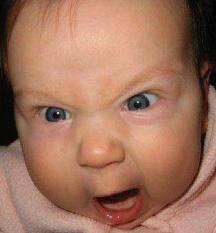
If we notice the baby's skin is dry, it could be something to do with the heating indoors drying the air out, and the dry air making the baby's skin more dry. We could see if making the air more humid does any good. Putting a bowl of water near a radiator might help; some of the water will evaporate and go into the atmosphere. Giving the baby a bit more fluid could help as well, since moisture inside the body could help make the skin a bit softer as well. Putting a mild moisturiser on the baby's skin, especially just after a bath, could help as well. We could ask the doctor to recommend one, or buy one labelled hypoallergenic.
Also, we could reduce the amount of soap we use on the baby. Soap dries the skin. A little baby doesn't usually need to be washed with soap apart from in the nappy area once a day. When they start crawling, they might need some on the knees, feet and hands, but we won't need to put all that much on them.
It's best if we don't use bubble bath or make bubbles for the baby in the bath with liquid soap, because soapy water can dry the skin more than clear water. It'll be best if we use a gentle soap or moisturising skin cleanser; we can ask the doctor to recommend one.
If There's a Fireplace in the Home
Some families still enjoy using a coal or wood fire in the winter. But there are things to watch out for:
- The fire needs to be covered or enclosed by some kind of screen/fireguard that's too heavy for a child to move even if they try hard. The fire needs to be enclosed for hours after it's been put out, because embers can stay hot for hours. Parents who feel unable to protect the baby or young child from the fire because they haven't got a good enough barrier to shield babies from it shouldn't have the fire on. Finding some harmless way of teaching the baby the fire's hot and will hurt anyone who touches it will provide added protection, though young children can easily forget what they're told.
- Parents will need to make sure regularly that the flue's clear so toxic fumes don't invade the room and so there's no risk of a chimney fire.
- If the baby or anyone else in the house has a condition that often causes breathing difficulties such as asthma, parents will need to consult with a doctor about whether having a fire's wise before using one.
Hazards at Christmas
Christmas time can be exciting for a baby, with the house decorated with fancy things. But some of them can present new hazards, so we need to be careful.
- It's best not to have any mistletoe in the house, or to let a baby play near something like that when visiting other people, since it's deadly if nibbled on. Since babies are so keen on putting things in their mouths, we need to keep them away from plants that could be poisonous.
- Holly's only a bit poisonous, but it's still best to keep it out of the baby's reach, especially since it's so prickly! We need to bear in mind that when the baby starts being able to move around themselves, they can soon start climbing on things. Holly might look nice to a baby, and they might want to climb up to touch it, not realising the dangers. So if it's going to be in the house at all, it needs to be seriously out of the baby's reach.
- As for the Christmas tree, it should be fresh and well-watered, since if it becomes dry, it could be a fire hazard. Artificial trees aren't problem-free either; we ought to choose one that's labelled 'fire-resistant'; and we shouldn't put Christmas lights on a metallic tree.
- We should never allow the baby to play unsupervised under a Christmas tree, since if they pull up on a branch, they could accidentally pull the Christmas tree down on them.
- It's important to sweep any pine needles up regularly, and to keep pine trees, wreaths and branches out of the reach of the baby/toddler wherever possible. The most important reason is that pine needles can cause a persistent croupy cough if they get stuck in the throat. Medical help should be sought if we think that might have happened.
- Some decorations and pretty things can cause a baby problems if they're broken and bits swallowed. We need to think about what might happen if the baby swallowed them when deciding where to put them. Some sprays used to decorate with artificial snow and so on could cause difficulties for anyone in the family who already has breathing difficulties.
- We need to be careful to put Christmas tree lights out of the reach of a baby or toddler. Young children can think they look nice to eat and bite them, and then they can cause internal cuts. We need to keep cords out of a baby's reach as well. We need to be especially careful with small blinking tree lights, which contain a chemical that can be dangerous if swallowed.
- If candles are used, we need to be very careful to keep them out of the reach of a climbing baby who wants to explore and will probably think they look fun to examine. We naturally need to keep them away from curtains or other things that might catch fire if they get knocked over somehow. They should never be left lit and unsupervised. We need to make sure they're thoroughly extinguished before we go out or go to bed for the night. If they're displayed in a window, we need to make sure curtains are securely tied back so as not to be near enough to them to catch fire.
- Very small Christmas tree ornaments, tree lights or anything small enough to fit in a toilet paper tube, or anything with parts that small that could be broken or pulled off, are small enough to go right into a baby's mouth and cause choking. They shouldn't be used, or at least, should be kept well out of a curious baby's reach.
- Tinsel, plastic or glass ornaments can cause a choking hazard if bits are bitten off. Some could also cause internal bleeding if swallowed. So they need to be put high enough up so a baby wouldn't even attempt to get them to play with, no matter how much fun it looks.
- We need to be careful that anything we put in the bucket the Christmas tree's in won't damage the baby if they play with it or swallow any of it.
- When the presents are unwrapped, chances are that a baby won't just want to play with their own toys but will want to investigate the gifts of other family members. So anything that could possibly harm a baby in any way if they drop it, swallow bits, play with it and so on, should be put somewhere out of the baby's reach.
- We need to be careful the baby doesn't eat or drink something they shouldn't.
 The book says hundreds of young children are rushed to the emergency department of a hospital every year because they drink a martini, beer or some other alcoholic drink that's been carelessly left within reach of them. It says others choke on olives, nuts, cocktail sausages, hard sweets and other favourite adult nibbles. So it says we need to make sure the baby doesn't get hold of any enticing-looking but hazardous drinks or food. We shouldn't leave alcoholic drinks or food that could be a choking hazard for a baby or is otherwise inappropriate for them to eat unattended even for a short time on a coffee table or anywhere else where a baby old enough to move around themselves could reach it. We need to bear in mind that certain foods, such as fruitcake that's been doused with something alcoholic, popcorn, chocolate, nuts, and anything containing honey, are inappropriate for babies to eat no matter what time of year it is, so we should always be careful they can't get hold of them.
- Unfortunately, the doom and gloom doesn't stop there.
The book says we even need to be careful about letting the baby get too close to the wrapping paper! It says festive ribbons, bows, figurines and even wrapping paper can be a choking hazard and even present a suffocation risk to a curious baby exploring under the Christmas tree. So it says we need to keep wrapped gifts and ripped-off wrapping out of the baby's reach.
- It says it's good to learn first aid and particularly resuscitation techniques, just in case despite all our precautions, something bad does happen to the baby.
- It says we naturally need to make sure the toys we buy for the baby are safe; toy manufacturers can't always be relied on to make sure they are themselves.

Talking about drinks being left within reach of a baby, I know hot drinks left within reach of them can do a lot of damage; I know my own hands were scalded badly when I was a baby when I put them in hot coffee. And I once heard about a baby who died after a teapot was left on a coffee table and she sucked the boiling hot spout, not realising it was hot and a serious hazard. I think she died because her throat swelled up so she couldn't breathe.
Part Fourteen
Treating Illnesses Babies Often Get
Talking to the Doctor
If we've got any concerns we decide we'd like to discuss with a doctor, it can be useful to write them down when we think of them in case we forget them in the surgery. For instance, if we think our baby should be sitting up or talking at their age but they aren't, it can be worth making a written note and keeping it somewhere where we'll remember it when next going to the doctor.
If the doctor spends a bit of time giving us advice, it can be useful to make notes of that, to help us remember it afterwards. After all, it might not be easy to pay much attention to at the time, particularly if it's given while we're trying to comfort a wriggling crying baby or dress them after an examination or something. It can be best where possible if both parents can attend the appointment, so one can pay full attention to any instructions the doctor's giving and maybe write them down, while the other one gives most of their attention to the baby. Or we could ask the doctor or a nurse if they mind writing down the advice.
It's useful to write down any advice the doctor gives us on the phone too, because though it might seem easy to remember, things can very easily slip the mind if a person's suddenly distracted, for instance if we put down the phone and the baby starts crying that minute so we become engrossed in dealing with that before the advice had a chance to implant itself in the memory.
If we have problems taking a doctor's advice, we shouldn't be afraid to say so and ask if it's really necessary to do things that way, if at all. For instance, if the doctor prescribes medicine for a baby's cough, and after a couple of doses the baby loudly protests when he sees the medicine coming because he doesn't like it and refuses to take it, if he's getting better anyway, it might be tempting to think that since he's getting better, he probably doesn't need any more so it'll be safe to stop giving it. So we might; but then a couple of days later the baby might get worse. It would have been worth asking the doctor if it was allright to give up trying to give the baby the medicine rather than just doing it, because the doctor might have warned that that would probably happen, and might have given us some alternative ideas on how to give the medicine, such as mixing it with something else before taking it to the baby.
It's a good idea to ask fairly early on who to ring if the baby's ill out of hours, and how serious things would have to seem before it would be OK to ring the doctor in the middle of the night.
If a Parent Rings the Doctor Out of Hours When They're Worried Because the Baby's Ill

It's worth noting down a list of information to give to the doctor before phoning them, so we're not trying to think of answers in a panic when they ask questions to try and diagnose the problem. Obviously the more like an emergency a situation seems, the less advisable it is to spend time doing that. But whenever possible, noting down information before phoning up might well make the conversation easier. Things the doctor might ask include:
- What are the symptoms?
- Can we give more details about the symptoms, such as whether a cough is dry or sounds as if there's a lot of phlegm rattling around in the throat, whether the nose is runny and if so what colour the stuff coming out of it is, whether the baby has spots, and if so how big they are, what colour and shape they are, whereabouts they are, whether the baby's trying to scratch them so they seem itchy, and so on.
- When did the symptoms first come on?
- Can we think of anything that triggered them off - for instance being near a certain type of plant, being washed with a new kind of soap or rubbed with a new kind of lotion, being near someone else who was ill, getting too hot, having a fall, and so on?
- Is the baby particularly prone to some kinds of illnesses and does this one look as if it could be a return of one of them?
- Was the baby already suffering with an illness when they got this one, and if so, what medication are they taking?
- Have we noticed whether some things make the symptoms worse or go away a bit, for instance whether a baby's cough's worse when they lie down, whether they vomit more when they've eaten and so on?
- What medicines or techniques have we already tried to make them better?
- Is the baby behaving differently from normal, for instance tired and not interested in anything, grumpy, inconsolable when that isn't normal, or not even responding to things? Or are they behaving normally? Will they still smile?
- Is the baby unusually drowsy or sleeping much more than usual, or can they not sleep?
- Are they crying more than normal? If so, does the cry have a different sound from normal, for instance more high-pitched, less energetic or sounding like a pain cry?
- Is the baby eating normally, or are they refusing milk, solid food, or both food and drink?
- Is their skin its normal colour, or is it blue-tinged, red, or anything else? Is it more than usually sweaty or dry and cracking in places?
- How old is the baby?
Even if we're talking to our own doctor, they might not remember everything about our baby since they must see so many, so it'll be worth reminding them of things instead of feeling sure they must know.
It might be worth looking for other visible symptoms as well as the ones we've already noticed before we phone up. It might be worth examining them with thoughts like these in mind:
- Are there spots, and if so are they just on the face or also on the body, including places like under the arms?
- Are the baby's gums swollen so teeth might be trying to break through? Are there any signs of inflammation or anything else unusual elsewhere in the mouth?
- Does their throat look sore?
- Is there anything wrong with or different about the eyes, the soft spot on top of the baby's head or anything else on their face or head?
- Is the baby pulling or poking at one or both ears, which could be a sign of discomfort or pain? Is there any kind of discharge coming from ears or eyes?
- Are they vomiting? If so, a lot or a little? How often? What colour is it and what does it look like - curdled milk or anything else the baby might have eaten? Does it seem to contain mucus or blood? Does it fly out a long way? Does anything seem to trigger it off, such as eating?
- Are the baby's bowel movements normal, or are they having diarrhoea or constipation? If diarrhoea, does there seem to be blood or mucus in it? Are the movements coming out more forcefully than normal and more often?
- Is the baby wetting their nappy less or more than usual? Is the urine a different colour than normal such as darker, or does it smell stronger?
- Does the baby seem to have difficulty swallowing, or are they dribbling more than usual?
- Does the baby's stomach seem any different from normal, such as rounder or more bulging or firm or flatter and so on? Does the baby seem to be in pain when it's pressed gently or when one of their knees is bent up to it? If so, is it possible to tell where the pain is - right side or left, top or bottom?
- Does it seem to be difficult to move any part of the body? Is the baby trembling or particularly cold or hot? Have they had any convulsions? Does the neck or any other body part seem stiff and harder to move than usual?
It'll be best if we're ready to take notes when we phone up, so we can write down any instructions the doctor gives us.
If the baby suddenly develops an uncontrollable cough but there are no other symptoms, they might have inhaled something they shouldn't have that's partly blocking their airways.
If something seems to be wrong but we can't be definite about there being worrying symptoms, it could well be worth phoning the doctor anyway in case they pick up something, or because they might be reassuring that it's fairly normal.
If the doctor recommends medication, it's best to make sure we've got the exact name, and also to tell the doctor if the baby's ever had a bad reaction to any medication before, and if they're already on some, in case there's a risk that another one could react badly with it. Also it's best to tell the doctor the baby's weight if we have it, in case it makes a difference as to what dose they recommend. We'll need to be clear about the dose we're supposed to give, since too much or too little could naturally be harmful.
It'll be best to read the leaflet that comes with any medication right the way through so we can be alerted to possible side effects, the correct dose, when it's best that the medication be taken, whether it's best to take food with it or before it, whether taking anything with it will stop it working so effectively and so on.
Questions it's certainly worth finding out from the doctor or pharmacist who gives us the medication are:
- How many times a day should the baby have the medication?
- Is it so important it's worth waking the baby up in the middle of the night to give them it?
- How soon can I expect to see an improvement?
- How long should I wait before contacting the doctor again if there's no improvement?
- How long after there's a real improvement is it best to still give the medication for?
Things It's Important to Bear in Mind When Giving the Baby Medication
Since medications can be harmful if given incorrectly, the book What to Expect the First Year gives guidelines on giving them in the right way:
- It says we shouldn't give a baby under three months old any medication at all unless it's been prescribed for them by a doctor. So no over-the-counter cold remedies or anything, without asking a doctor if they're allright first.
- We shouldn't give a baby a drug that's passed its expiry date, or if its appearance has changed in some way since it was bought. If we notice one's expired or changed, we ought to wrap it securely and throw it away so it doesn't get used by mistake.
- Doses should be measured very carefully so we're giving an exact dose. Spoons and little cups and things of exactly the right size can be bought from a chemist. So using them might be a little more accurate than using kitchen spoons.
- It's best to write a note of it every time we give the baby a dose, in case we forget we've given one and give another by mistake, or think we'd better not give them one in case we already have and they miss out. It says levels of a drug in a very small person can quickly build up to overdose level; but it says we needn't worry if we've been a little late with the last dose; we can give the next at the usual time.
- We should check a bottle for directions on how best to store the medication - for instance somewhere cool or cold - and any other instructions, for instance to shake before using.
- If the instructions on a bottle or packet are different from the ones the doctor or pharmacist gave us, we ought to phone the doctor or pharmacist to ask advice before giving the medication.
- It's important to always read the label on medication even if we're sure we know how to give it, just in case there's something we don't know. Also it's possible we could have accidentally picked up the wrong bottle by mistake. So it's best to read the label every time we pick it up even if we're fairly sure it's the right one. If the room's dark so the letters are unclear, we ought to take it somewhere light to read it.
- We shouldn't give the baby a medicine that was prescribed for someone else without the doctor's approval, even if it was for a brother or sister of a very similar age. We shouldn't even give the baby a medicine that was prescribed for them in the past unless the doctor says it's allright.
- We shouldn't give the baby medication when they're lying down, since they could choke on it. We'll need to lift their head a bit, or sit them up if they're old enough.
- We shouldn't mix the medicine in a baby bottle of milk or juice hoping that'll make it more acceptable to the baby unless the doctor recommends it, since the baby might not drink it all, and also some medicines become less effective when mixed with the acids in juice.
- We should virtually always give antibiotics for the full length of time it says we're supposed to unless a doctor advises us to stop, even if the baby seems better before they're finished. If not all the bacteria have been killed, some can develop resistance so the baby can become more ill later and fewer things will cure them.
- But if the baby seems to be having a bad reaction to a medicine, it's best if we do stop it till we've spoken to a doctor about it, and that we speak to them as soon as possible.
- We should never give the baby a medication beyond the length of time the instructions or doctor says we should give it for. And we shouldn't start giving them a medicine after we've stopped it for a little while without checking it's allright to do that with a doctor.
- It's best if we write down in a notebook we keep somewhere safe and label 'Baby's Medical History' or something, what illness they just had, what medication they were given for it, how long they took it, and whether they had any bad reactions to it. The information could come in useful later on.
Oh yes, my brother's little boy's allergic to penicillin. I suppose it's that kind of issue it's especially important to note down so we remember. Doctors will have to make sure they give him something else all his life whenever he's ill.
Ways to Try to Get the Baby to Take the Medicine
The book says babies can hate taking medicine, and sometimes vomit it straight back up, which makes things difficult for parents. But it says there are things we can do that make giving them medicine easier:
- Unless we're given instructions to give the medication at another time, it can be best to give it before meals, because the baby's more likely to accept it if they're hungry, and also if they vomit it up, at least they won't bring all their food up with it as they might if we give it to them just after a meal.
- Keeping the medicine in the fridge can sometimes help when it doesn't taste that nice, since the flavour might not come out so much when it's chilled. But we ought to check that's allright with the pharmacist first in case chilling it makes it less effective. Or we could ask the pharmacist if there's any flavouring they could put with it that babies tend to like. (We need to always remember to keep the medication well out of the baby's reach, but that's especially so if they love the taste of a medicine. They'll probably assume it's allright to just swig the whole lot down like juice.)
- It's a good idea to ask the pharmacist for a plastic medicine spoon which will give an exact measurement, or a kind of syringe that can be used to squirt medicine into a baby's mouth. Care needs to be taken with one of those though, so we don't squirt more into a baby's mouth than they can swallow at any one time. If the baby refuses medication from a spoon or syringe, they might accept it if it's put in a bottle teat for them to suck. When they've finished it, it's best to put water in the teat and give it to them to suck that too, since then any remaining in the teat will be swallowed too.
- If we aim the medicine spoon towards the back of their mouth it has a better chance of going down. And if using a syringe, it's best to aim it somewhere between the back teeth and the cheek. One reason is that the baby won't taste the medicine so much then because the taste buds are mainly on the tip of the tongue. It's important not to touch the back of the tongue with the syringe though, because people can gag on reflex when something does that so they might spit the medicine out.
- If the baby's still unhappy with what we're trying, we could try mixing the medicine with a teaspoon or two of strained food or fruit juice, though no more than that, because if the baby doesn't eat the food, they won't get the medicine. That should only be done if the doctor hasn't advised us not to mix it with anything. It can be best to mix it with a food or fruit juice the baby isn't familiar with unless they're cautious about eating new things, since if we mix it with something they like or which is healthy and they're happy to eat it but then they don't like the taste of it mixed with the medicine, they might not want to eat that food in future for a while.
- It can be best to get help where we can, from someone willing to hold the baby who might be wriggly, while we have hands free to put the medicine in their mouth without worrying about keeping them still too. If there's no one to help, strapping them in a high chair or infant seat might do.
If there isn't one, one technique is to measure the medicine out first and have it on a table within reach, and then put the baby on our lap, and then hold them with the arm we won't be using to give the medicine, putting it across their chest and holding their own arms securely with it. We need the hand of that arm free, so we can gently take hold of the baby's face, putting a thumb on one of their cheeks and a finger on the other, and pressing them gently together, which will cause the mouth to open. At about the same time, we'll need to gently tilt their head back slightly. Then with the other hand, we can put the medicine in their mouth.
It all needs to be done quickly though, or the baby will start struggling against being held down.
- The book advises we gently blow on the baby's face while giving the medicine since apparently that triggers a swallowing reflex in young babies.
- It advises that if any liquid leaks out of the baby's mouth, we can gently push it back in with a finger, which the baby will likely suck so it'll get what's on it.
- If the baby always objects to taking the medicine, we could ask the doctor if it would be possible to have one that requires fewer doses per day or if it would be safe to give the baby a higher dose of the one we're giving them each time so we don't have to give it so often.
- The baby's more likely to be happy taking the medicine if we at least appear confident when we give it to them. If we show we're nervous - which we might be if we're worried we're about to have a struggle on our hands, - they'll probably feel anxious too and will be more likely to refuse the medicine.
I'm guessing the baby might be more willing to take the medicine if we present it to them as if it's something nice and exciting that'll get them well, so they hopefully won't think of it as strange and worrying.
If Questioning the Doctor's Decision
If we're fairly convinced the doctor has made a wrong diagnosis or has missed something, we shouldn't be afraid to say so; we may be right. Naturally it doesn't have to be said in an accusing way that'll make the doctor feel insulted; it's best if it's said in a calm reasoning or questioning tone.
Or if we hear about a new treatment for a problem the baby seems to have, we could bring it up and see what the doctor says; they might not even have heard of it and might be glad to find out it exists so they can look up more information about it. Perhaps we could bring in an article about it. If the doctor has heard of it already, they might be able to give an opinion on whether it really is a good thing or whether it has drawbacks that haven't been widely reported yet, or is more effective in some people than others for some reason.
If Unhappy With a Doctor

If we feel we can't get on with our doctor, or we're concerned about their competence, we shouldn't be afraid to ask for a second opinion, or to change doctors. Some doctors aren't as good as others.
Still, sometimes personal difficulties can be caused by misunderstandings. For instance, if someone goes to the doctor one day and he seems impatient and doesn't want to talk for long, the patient might think he isn't a nice person; but if they bring it up at the next appointment and say they were unhappy, sometimes the doctor might apologise and explain that they were running late that day and had just had an argument with the patient from hell or something. So it's worth discussing problems such as that before deciding on a change of doctor or being put off seeing the doctor.
If we feel we do need to change our doctor, it's probably best not to leave our current one till we've got a new one, in case they're needed. When we've got a new one, it might be best to check to make sure all our medical records have been transferred to them.
People Need to Be Careful If They're Thinking of Giving the Baby Alternative Medicine

There are a lot of people around offering alternative health remedies. Some might have some value, but it's best not to be that trusting, since a lot of people offer things that simply haven't been proven to work. Any illness that could be serious needs a medical remedy. It could be risky delaying getting one while trying out treatments that haven't actually been tested, even though great claims might be made for them by people offering them. Certainly Alternative remedies might seem kinder on the baby because most medicines have side effects. But alternative medicines can have side effects too. So it's best to look up scientific information about the health benefits and any problems of any medicine we're thinking of giving the baby. That's any medicine, alternative or not.
The book says alternative medicines haven't been tested in children so there's no knowledge about safe doses for babies. And though natural things might have an image of being gentler than drugs or more like foods, that's not necessarily the case. Natural things can still be toxic; after all, think of poisonous berries. And if a remedy's too mild, it won't have any noticeable effect at all.
Often people get things because others recommended them. But if someone says an alternative medicine worked for their baby and praises it, they might be mistaken, because it's possible the illness would have gone away anyway at about the time they started being treated - after all, colds tend to last about a week with or without treatment, - or they might have been taking something else too which was what really cured them.
A doctor should be consulted before trying any natural remedy, because they sometimes have side effects, or can interfere with a medication that's being taken and make it less effective.
It's best to read information about the side effects of any medicine at all.
Unfortunately, sometimes, there aren't any effective medicines that can cure an illness rather than just controlling the effects of the symptoms. It just has to be left to go away in its own time.
Doing What We Can to Prevent a Baby Getting Ill
'Flu, Coughs and Colds

'Flu can be more dangerous for babies than for older children, so the book advises that we get any baby who's old enough vaccinated, and if our own baby's too young for the vaccination, ask if we ourselves and anyone living in the house with the baby can get vaccinated, to reduce the risk of us getting it and passing it on.
It says we should make sure all the family's hands are washed often and thoroughly to wash away germs that might otherwise pass on the virus or other illnesses. Also, it's just as well to wash surfaces people have touched often, since germs can live on those for hours.
And if another family member has an infectious illness, it's best to keep the baby away from them till they're better.
People should cover their coughs and sneezes, but if they cough or sneeze in their hands, they ought to wash them as soon as possible because they'll be covered in germs. Likewise when anyone blows their nose. And hands should always be washed before handling food.
But if the baby does go down with a cold or other minor illness, the upside is that at least their immune system might be strengthened when it learns to fight it off so it might be better at fighting some illnesses later.
The book says sometimes allergies can be mistaken for colds or other illnesses, for instance to things like dust mites or mould. It recommends housework's done thoroughly and often, and we clear away anything such as dead leaves outside that mould could grow in, as well as looking in and cleaning out corners indoors that might usually be missed where mould might sometimes grow undetected.
Dust can be most effectively got rid of if the dusting's done with a damp cloth, or we could use a furniture spray when the baby's not in the room. Even rugs and fabric-covered furniture could be vacuumed; and stuffed toys and things like curtains could be washed
fairly often. More precautions can be taken if an allergy's definitely suspected.
Preventing Constipation

The book What to Expect the First Year says breast-fed babies don't get constipated, but many bottle-fed babies do. It says once a baby's on solids, the chances of the baby getting constipated can be reduced by making sure the baby has a diet that contains a lot of whole grains, fruit and vegetables. Also we need to be sure they're getting enough to drink. Physical activity can help too.
If the baby is constipated, when they're trying to strain something out, it can help if we gently move their legs around, lifting their knees up and down as if they were pedalling on a bike.
Changing What the Baby's Fed if they Get Diarrhoea
If the baby gets diarrhoea though, it's best to cut back on vegetables, fruit and fruit juices for a while, except banana. It can help if they eat starchy things like potatoes, pasta, white rice or rice cereal, dry white toast, mashed banana, and chicken. They can eat that kind of thing till the diarrhoea goes away unless a doctor says otherwise, and then after it does, more healthy food can be introduced without aggravating the problem.
If the baby's vomiting, it might be as well not to give any solid food till it stops, but to give them fluids such as diluted fruit juices till it stops. Not fizzy drinks though. For one thing, if the baby burps, something may well come up with it.
If they drink in sips, the drink's more likely to stay down. It's best if they have a tablespoon at any one time at most, or less for younger babies. But it is important they drink quite a bit to make up for the fluid they're losing.
When the diarrhoea begins to get better, ordinary foods can be reintroduced, except that it's best to limit dairy products for another day or two, except their bottle milk.
If the baby's diarrhoea goes on for more than a couple of weeks, the doctor might recommend we change the kind of bottle milk formula we give them.
Though Diarrhoea can't always be prevented, there are some things that can be done to reduce the risks:
- Naturally, we should take care to try and rid our hands of germs when preparing food, by doing such things as washing our hands after touching raw meat, raw eggs or raw fish, washing our hands if we blow our nose or go to the toilet or change the baby's nappy, cook meat and eggs well to kill germs, and so on.
- It's best to dilute any fruit juice we give the baby, and to give them no more than about a quarter of a pint a day.
Just the odd little bit of diarrhoea now and again isn't serious, but the doctor should be called if:
- We think the baby might have been eating or drinking spoiled food or milk formula.
- The baby's bowel movements have been unusually watery for as long as 24 hours (unless there are other symptoms that suggest more urgent help's needed).
- The baby's vomiting more than they would normally.
- They seem ill.
- There's blood in the diarrhoea.
- It's important to call as soon as we notice a problem if they could be dehydrated, which we can suspect if they're doing a fair bit less urine than normal so their nappies aren't getting as wet as usual or so often, and also if their urine is yellow, if their eyes are tearless and sunken, and especially if the fontanel (the soft spot on top of the head) is also sunken.
Reducing the Risk of Ear Infections
Ear infections are common in young children, but especially children who are fed on their backs or spend a long time on their backs. Putting them on their tummies to play and feeding them in an upright position whenever possible can help.
The reason feeding them lying down makes them a bit more likely to get an ear infection is that fluid can leak through the tubes that connect the nose and ear into the ear canal, especially because the ones babies have go in that direction more than an adult's do. It's certainly best to feed them in a more upright position as well as keeping their head raised when they sleep when they've already got a cold or something, since fluid from the nose can run down the tubes towards the ears if it hasn't got an easy path down the throat, which can be what causes the ear infection. Pillows can be put underneath the mattress of the cot to raise the head a little bit, - Not in the cot itself, at least with a young baby, because the baby could get their head buried in them and suffocate; but there'll be no danger of that if there's one under a firm mattress.
The book says breast feeding for the first year seems to have a bit of a protective effect.
Keeping the baby as healthy as possible through healthy food, enough rest and good medical care can have a protective effect too.
And it says bringing the baby up in a smoke-free environment can help prevent ear infections too.
It says the doctor should be called as soon as an ear infection is suspected, and then again if it seems worse after the doctor's recommended something they've started taking.
Trying to Reduce the Severity of Baby Heartburn
One reason some babies cry a lot is because their food, mixed with stomach acid, is repeating on itself, coming back up into the throat and causing pain. It's called gastroesophageal reflux. It happens because part of the digestive system of a lot of babies hasn't quite developed properly till several months after they're born, and in the meantime, they swallow food or milk and there's a valve at the top of the stomach that's supposed to stop it coming back up again but it doesn't stop all of it for a while. And when it comes up it's mixed with the acid the stomach uses to break food down and digest it. So it can cause a burning sensation when it comes back up into the throat. It's harmless but painful.
Babies who've got it will likely cry a lot, vomit quite a bit, including forceful vomiting where it flies out some way, arch their back while feeding - that can be a sign they're in pain, sometimes burping and hiccupping a lot, and sometimes choking more than can be expected.
Ways of trying to prevent symptoms, or if a baby has that already, ways of trying to make the symptoms less severe, include:
- Avoiding feeding the baby too much in one go. Smaller amounts of milk or food can be fed to the baby, but a bit more often.
- When the baby's old enough to eat solid food, thicker heavier foods are more likely to stay down, according to the book, than thinner foods, simply because of gravity.
- It's best if the baby doesn't eat much fatty food, or acidic food such as citrus fruit or strawberries.
- According to the book, one reason it's best to breast-feed babies for as long as possible is because they're a lot less likely to suffer the problem on breast milk as they are on bottle formula because breast milk is digested more quickly and easily and is a natural antacid, so any milk that does come up won't irritate the throat so much.
- It advises breast-feeding mothers to cut out all caffeine from their diet since that can aggravate the problem. Yikes!
- It's best to make feedings as calm and quiet as we can, avoiding interruptions whenever possible.
- It helps if the baby's often burped during a feed.
- It can be best if the baby's propped upright during a feed and for one to two hours afterwards, if possible in a quiet place where they won't feel agitated, since excitement, stress or movement could cause enough disturbance to make the stomach valve open. Sometimes being upright doesn't help though and might even aggravate symptoms, so if they cry more, it's best to change their position.
- If the baby falls asleep after a feed, we can put them to bed lying down, but with their top bit raised a bit so food will still be travelling downwards. That can be done by putting a pillow or two underneath the top of the mattress. That way the baby's still resting their head against something firm rather than something soft enough for their nose to get buried in. The book says there are actually special reflux pillows with velcro straps to keep the baby in place when they're in a tilted position. It doesn't say how comfortable it is for the baby to be strapped to their mattress to stop them sliding down it. And there's no guarantee it'll work. We could try it to see if it makes them cry and vomit less. But if it doesn't, it might be best to put things back the way they were.
- The book says offering a dummy after a feed can help, as sucking on a dummy can relieve the problem.
- It's best to avoid jostling or playing with the baby or bathing them straight after a feed.
- The book says no one should smoke around the baby since nicotine stimulates the production of stomach acid.
In serious cases though, it's best to consult a doctor and get medical treatment. If the baby isn't putting on weight or if they seem to be in quite a bit of pain, or if it might be disrupting the baby's sleep, a doctor should be called. Sometimes medicine's given, and in the worst cases surgery's even done, though in most other cases the baby will grow out of the problem on their own as their digestive system develops.
If the Baby Gets Eczema
It seems quite a lot of babies get eczema at some point. The book What to Expect the First Year says it's a lot more common in babies who are fed bottle feed formula instead of breast milk, or it can first appear when babies are switched from breast to bottle milk or from milk to solids or bottle formula milk to cow's milk; and it's more common where there are family histories of it. But it says some even have it at birth! It says it's important to take the baby to the doctor except in really mild cases, since it ought to be treated to prevent complications. It tends to start off as a red scaly rash, often on the cheeks, and spreads to other parts of the body. If it's untreated the skin can crack and ooze pus and it's possible it could become infected. It often clears up itself after several months, but medical treatment in the meantime can clear it up much more quickly.
It might well itch a lot and the baby might want to scratch it, but that can damage the skin so it becomes infected, or spread it to other parts of their body. So the book recommends we could put mittens or socks on their hands when they're not supervised at times when they're not using them, such as when we lie them down for a nap, and cut their nails.
There are things we can do to stop it getting as bad as it might otherwise:
- Soaps and bubble baths can dry out the skin and eczema gets worse on dry skin. So it's best to keep baths short so the baby isn't sitting in soapy water for long, and only use a very mild soap.
- Some people with eczema find salt water or chlorinated water makes their eczema worse, so we ought to be cautious about spending a long time in the swimming pool or the sea with them or going there often.
- Moisturising creams can be good to use because eczema doesn't spread so much when the skin's moist, and creams to treat the eczema will soak into the skin more easily and so be more effective if the skin's been softened up by a moisturiser. It's best to only use one recommended by a doctor though, or a pharmacist, because some lotions that moisturise aren't good on a baby's skin, and it'll be best to get one that's hypoallergenic; some of the ones around are made with things some people are allergic to so it might be best to avoid them just in case.
- The book says too much heat, cold or dry air can make eczema worse, so it's best not to take the baby out in extremes of weather, and to try to keep the home neither too cold nor too hot, and not to over-dress the baby; sweating can make eczema worse. If we put several thin layers of clothing on them rather than a thick layer when the weather's a bit cold, we can more easily take clothes off them if they seem too hot.
- We shouldn't dress the baby in anything that feels a bit rough and could be itchy, even if that's just around the edges, since that could make the eczema worse, especially since if there's eczema there that the baby wants to rub or scratch, it'll be more likely to spread. Also, rough carpet could aggravate it, so it'll be best to put something smooth like a sheet on it if the baby's eczema might come into contact with it, rather than putting them directly on it.
- If any food seems to be triggering the eczema, it's good to experiment with eliminating it from the baby's diet; but if it's a major part of it, we ought to consult with a doctor first to make sure it's allright to do that without replacing it with something with similar nutrients.
- It's best to seek medical treatment to clear up the symptoms. A lot of eczema that babies get goes automatically before they're two years old, but clearing up the symptoms in the meantime naturally makes things easier on them and prevents possible complications like the skin cracking and infection managing to get in.
If Wondering How Much Rest to Give an Ill Baby
The book says it's safe to follow the baby's lead; if they want sleep they'll get sleepy, which they're more likely to if they're in the worst stages of an illness. When they're getting better, or if the illness isn't a serious one, they're quite likely to still want to be playful, and that's perfectly allright.
It might be as well to avoid very boisterous activity though since that could raise an already high temperature.
Letting the Baby Eat as Little as They Want When They're Ill But Encouraging Them to Take Fluid
It's allright if the baby doesn't want to eat at all for a day or two while they're ill. It won't harm them for that short a time, and in fact if they've got a digestive problem, it might help, because it'll give the stomach time to sort itself out without having to cope with food at the same time. In some other conditions it's best if the baby can eat, but they should never be forced to. Going without food for a day or so won't hurt them.
But it's best to encourage them to drink, especially if they're losing fluid through diarrhoea or vomiting. They might not keep much down if they're being sick, but they'll have a better chance if instead of drinking cupfuls at once, they drink one sip at a time, with the sips spaced out. That way the stomach can cope more easily. Otherwise the stomach can heave just after the baby's had a cupful and almost the whole lot can be flung back up again.
The kinds of fluids it's best for the baby to drink are ones that contain some nutritional value like breast milk, or if the baby's old enough to have started drinking them already, fruit juices or soups, or water.
It's best to let the baby choose what and how much to eat while they're ill unless there are things they mustn't have. If they hardly eat a thing for a few days or only want one kind of food, it won't really matter; they'll probably make up for it when they get better.
Part Fifteen
Treating Common Injuries

If the baby gets or seems quite seriously injured, it's best if we phone the emergency services and ask for instructions on what to do while we wait for an ambulance.
Sometimes we'll need to give them information it's as well to have to hand; for instance, if the baby seems to have had a drink of a household chemical or eaten a poisonous plant, taking it to the phone when we ring up so we can say its name might help, if it's nearby at the time.
Also, going on a first-aid course can make it quite a bit more likely we'll do the right thing if the baby gets injured. The doctor or local Red Cross or St John's Ambulance branch could give us recommendations about courses we could go on.
When we've been on a course, reading our notes or hand-outs from it quite often will refresh our memories on what we're supposed to do. Also we could practice on a doll. Not a person though; for instance we clearly couldn't blow into a person's mouth to practice resuscitation if they're conscious. Going on refresher courses will help us remember what to do too, as well as teaching us new skills and getting the latest advice; for instance sometimes things are recommended even on courses that it's found later aren't such a good idea and different things are recommended instead. An example is that doctors would use antibiotic ointment on cuts for a time but then they started worrying that germs would develop resistance to them if they were used too often.
But here's some advice for more minor injuries and some that require immediate action:
Treating Burns and Scalds
The book says that if possible, the baby should be put under running cool water, apart from their face. That's especially true of arms and legs. It might take half an hour for the pain to go away if the burn's bad, and it's best if they're being dowsed in cold water all that time if that's how long it seems to be taking. Other parts of them can be covered in cool compresses, which we can make by putting something like a clean cloth in cold water, wringing it out and then putting it over the burned area, taking it off and soaking it in new water to put on the area whenever it warms up.
It's important not to use anything like butter or ointment or even ice on the burn, since that could make the skin damage worse. Anything greasy keeps heat in.
And we shouldn't break any blisters that form. The body makes them to protect the skin.
Afterwards, the skin can be very gently patted dry and then wrapped in a non-stick bandage. Not a plaster, - certainly if there's any danger of the sticky bit getting on the skin - since the damaged skin will come off when it's pulled off; and in fact a bandage should only be taken off gently, or damaged skin can come off with it.
If our child's clothes are actually on fire, the flames will go out if they're smothered because they'll be starved of oxygen which they need to keep going. Wrapping something around them like a blanket or coat and then getting them rolling on the floor can help put out flames. Rolling on flames will help snuff them out. It's best if the child's rolled away from us to reduce the risk of the flames jumping to us. The emergency services may still need to be called. Whatever's wrapped around them shouldn't be something made of anything that melts easily like rubber. Clothes shouldn't be ripped off the person because they might have melted into their skin and the skin might come off with them. Cool clean water should be used to kill off remaining flames if some is available.
Then while waiting for the emergency services, it's best to keep the child warm, since burns damage the body's ability to control temperature.
Other Kinds of Burns
If the child receives chemical burns from some substance, any of it still on their skin should be washed off with large amounts of water, after contaminated clothes have been taken off and any dry substance has been gently wiped off with a clean cloth. But it'll be important to phone the emergency services quickly.
It's rare, but if the baby's getting burns because of an accident with electrical equipment, we need to quickly disconnect the power source from the mains if possible, or they should be separated from it with a dry non-metallic object like a wooden broom, wooden ladder, chair, rope, big book, cushion and so on - but certainly not our bare hands. Then the emergency services should be called.
If the baby gets sun burn, bathing the area several times a day for over ten minutes at a time with a cool compress till the redness fades is soothing. It's as well to speak to a doctor too though.
Keeping Important Things Handy
It's useful to have a charged-up cordless or mobile phone around, since then it can be taken to where the injured person is so if given instructions on the other end, they can be carried out on the spot.
It's useful to have a first-aid kit in a portable little box so it can all be carried easily from one place to another.
It's as well to keep important numbers and other details written down by the phone, such as that of the doctor, the local hospital, and the number of a neighbour if there's one we feel we could call on in an emergency. It's as well to take a card with the numbers on it when we go out.
It's a good idea to know beforehand the quickest way to the nearest hospital emergency department.
It could be useful to keep a bit of money handy in case we need a taxi fare to get to the emergency department or doctor in a hurry.
If the Baby Has Broken or Dislocated a Bone
It likely won't be easy to tell if the baby's broken or dislocated something, but possible clues include swelling around the area and inability to tolerate putting weight on it or moving it, crying a lot, it possibly looking deformed, and maybe also discoloured.
If a break is suspected, they shouldn't be moved without a doctor's permission unless it's essential for safety. If it is, the broken area should be splinted in some way first to stop it moving out of place further as the baby's moved. Splinting can be done by tying something firm to the affected area, such as a ruler or book or magazine, which is padded with a soft cloth to protect the skin on the area and make the splint more comfortable, or the padding could be a small firm pillow. The injured area should be left as it is, without anyone trying to get it back into a more normal shape.
The makeshift splint can be tied at the area of the break and above and below it, with bandages, strips of cloth, neck-ties, scarves and so on, but not so tightly that there could be a circulation problem. If nothing's available to tie a splint onto the broken area, we can try and protect the area by holding a firm arm against the affected area as we move the baby.
If the bone's actually sticking out through the skin, it shouldn't be touched with anything. The area around it can be covered with a sterile gauze bandage if possible or a clean nappy.
Emergency medical assistance should be sought immediately.
If it's the baby's neck or back that's injured, they shouldn't be moved at all unless in immediate danger. Objects can be put each side of the head to stop it moving and making the injury worse.
If the Baby Traps a Finger in Something or Stubs a Toe
If the baby's finger gets slammed in a door or something else, soaking it in very cold water for some time can stop it swelling right up. Likewise with a stubbed toe. Not for more than fifteen minutes at a time without allowing it to warm up again though, since otherwise if the water's ice-cold, frostbite could even begin to set in.
Bruises in general won't swell up so much if the area's soaked in cold water for a while.
If the finger or toe becomes very swollen very quickly though, or it's an odd shape or can't be straightened, we should suspect it's broken and get medical assistance. We should always do that if they got part of their body caught in a washing machine or the spokes of a moving wheel.
Treating Cuts and Grazes
Grazes are caused when the top layers of skin get scraped off. There might be slight bleeding in places. For anyone who's got sterile gauze in their first aid kit, it's probably the best thing to use; otherwise, with a clean flannel or such thing, we should gently sponge off the grazed area with water and mild soap to clean out dirt and anything else that's got in it. If the baby really can't stand having that done, we could try soaking the scrape in a bath, with just tepid water - not hot.
If the bleeding doesn't stop, we should put some pressure on it to stop the blood coming out. That'll give the body the opportunity to start healing the wound. Most little scrapes heal quite quickly.
It's best to cover it with a sterile non-stick bandage - not a plaster unless it's big enough so no sticky bit goes over a damaged bit of skin.
As for little cuts, the book says the area should be washed with clean water and mild soap to clean out dirt and anything else that's got into a cut. The area can actually be held under running cool water for a little while to help flush dirt out. Then a sterile plaster can be put on it, making sure no sticky bit's over the cut itself, or it'll damage the skin when it's taken off.
Before putting the plaster on, a little anti-septic solution or ointment meant for the purpose can be dabbed on. The doctor might be able to recommend one if they're asked before anything like that happens. It might be as well to ask about ones that are safe for cuts on the face as well as elsewhere.
Bigger Cuts

If the baby has a larger cut, it's important to put pressure on it to stop the bleeding, raising the part that's cut if possible above the level of their heart so gravity isn't helping the blood come out. We could use our bare hand to put pressure on it, or something we know is clean to minimise the risk of the wound getting infected. A clean nappy might do if we know it hasn't been in contact with hands that have recently touched dirty ones. Or a clean flannel or something.
If the bleeding carries on for several minutes despite the pressure we're putting on the wound, it'll be worth increasing it, and getting medical help. If the baby has other injuries, we could try tying whatever we're using to put pressure on to the area while we deal with them, fairly tightly so as to keep the pressure on, but not tightly enough to cut off circulation.
When the bleeding does stop, we should put a sterile non-stick bandage on the wound, or a big plaster but making sure no sticky bit is put over the wound. It's best not to use any kind of antiseptic without medical advice.
If the baby gets something stuck in them like a stick or - perish the thought - a knife, it shouldn't be taken out by anyone other than a medically trained person or the bleeding will get worse.
If the Baby's Choking

If they're just coughing after eating or drinking something, a bit of it might have gone down the wrong way but the baby will probably be able to cough it up themselves so there's no need to do anything to them like banging them on the back. If they're still coughing after two or three minutes though, the book says a doctor should be called.
Illnesses like croup can cause choking. If the baby chokes while they're ill they should receive medical attention.
If they're not ill though and they sound as if they're struggling to get their breath, we should turn them partly upside-down, head lower than knees, so if their coughing dislodges what they've swallowed, it'll fall into their mouths or at least somewhere where it's easier to swallow from, rather than falling further into where it's stuck and making the problem worse.
If they're little enough to be rested along our forearm, we can put them on it, tilting it so their face is lower than the rest of them, though obviously not at such a steep angle they slide down. We could rest our forearm on our thigh for support, and cradle their chin in the curve between thumb and forefinger. If they're older, we could put them across our lap with their head hanging down on one side.
Then we can bang them on the back, since that can help dislodge something that's stuck. We can bang them fairly hard with the heel of a hand between the shoulder blades. Five times in a row is recommended, at least to start with, stopping in between each one to see if the baby's breathing more easily.
If after doing that, they're still struggling to breathe, not coughing normally again or calming down, they can be turned on their back while we support their head, neck and upper body with one hand. We can lie them down, still with their head lower than the rest of them but having that and the neck supported with one of our hands.
We can look in their mouth to see if we can spot the object; we can take the baby's lower jaw in a hand and gently open the mouth and push the tongue down so we can see into the throat. If we can actually see the object, we can put a finger in the mouth and flick it out. If we can't see anything though, we shouldn't put a finger in, and we shouldn't try to use anything else whether we can see it or not, since we might accidentally push something further in.
If they're still choking, we can try chest thrusts, putting two fingers a finger's breadth below the nipple line, and pushing upwards towards the breast bone. We can try five, stopping between each one to see if they're breathing more normally and checking the mouth to see if we can see an object in the throat yet. If we can't, we can turn them back over and go back to banging them between the shoulder blades five times.
If the baby's over a year old, instead of pushing fingers against their chest, we can use our whole hands or even clenched fists to do the movements. If they're unconscious, we can put them on a firm flat surface like a table or floor, put one hand on top of the other with the heel of the bottom hand midway between their belly button and rib cage with our fingers pointing in the direction of their face, and push in with rapid thrusting movements, pushing in an upwards direction as if trying to jerk part of the body to make it move so what's stuck becomes dislodged. It's important not to push down on the ribs though or the tip of the breastbone, since they could break.
If the child's conscious so they can sit up, we can instead put them on a chair, stand behind them with arms wrapped around their waist, put a clenched fist just above their tummy button and hold the fist with the other hand, and then jerk inwards and upwards about five times, quite hard but not as hard as we would with an adult.
If efforts to stop them choking are unsuccessful after a minute though, or if they're turning blue around the lips or anywhere else, emergency medical treatment should be called immediately. The baby can be taken to where the phone is - or a phone that can be moved can be taken to the baby - so the person on the other end can give us instructions that we can carry out right there while an ambulance is on its way.
We ought to tell a medical person what we've tried to do to the baby so someone can check they haven't been damaged in any way, as they can be if their chest has been pushed forcefully in the wrong place.
The Baby Can Still Have Problems After They've Stopped Choking so it's as Well to Check for Them
The baby might seem to have recovered, but even if they've had emergency treatment, there might still be something that was undetected stuck in a lower part of their respiratory system. Symptoms they might have could include unexplained coughing, talking or crying in a different tone than normal, less breathing sounds than could be expected or wheezing, or blueness around the fingernails or lips or of their skin in general. If we notice signs like that, it'll be important to take the baby to the emergency department of the hospital.
Trying to Calm the Baby by Giving Them Affection and Distracting Them From What We're Doing to Them

The book says if we can do our best to keep calm if the baby has an accident, it'll really help, because the more anxious the baby sees we are, the more anxious they will be, and that'll make them untrusting and tense and unco-operative, especially because they simply won't understand what's going on. They'll know how calm we are by our tone of voice as well as the way we behave.
The more we've practised first aid, the calmer we're likely to be.
But in any case, wherever possible, giving the baby a bit of loving attention to calm them down before starting the first aid will calm them and make them easier to treat.
Because the baby won't understand what we're doing, what we do to treat them can make them as anxious as the injury does. Since they won't understand much more if we try to explain, as well as giving them some love and affection, distracting them by trying to amuse them or absorb their mind in something before we start the treatment can help. A toy that can run around on a table in front of them looking funny or something similar, or a music box or favourite song, or a family member or other person performing funny antics or singing silly songs or making funny noises in front of them could help. The more upset they are, the less it's likely to work; affection might be best at calming them to begin with if they're crying.
If the injury's only minor and treating them is distressing them, it might be allright to skip it; but certainly if the injury's more major, sadly it'll be important to treat them no matter how upset they get, though cutting the treatment a bit shorter than we'd like it to be might sometimes be allright, for instance soaking a burn in cold water for a little less time than we'd ideally like to.
Sometimes it might help if we pretend to treat one of their teddies or dolls too in the way we're treating them, for instance taking a teddy's temperature or putting an empty medicine spoon up to a doll's mouth. Or, for instance, if we're bathing part of them in a basin to soothe a bit of a scald, if there's room, we could float a couple of little toy boats or something in there too to take their mind off it a bit.
Feel free to add this article to your favourites or save it to your computer. If you know of anyone you think might benefit by reading any of the self-help articles in this series, whether they be a friend, family member, work colleagues, help groups, patients or whoever, please recommend them to them or share the file with them, or especially if they don't have access to the Internet or a computer, feel free to print any of them out for them, or particular sections. You're welcome to distribute as many copies as you like, provided it's for non-commercial purposes.
This includes links to articles on depression, phobias and other anxiety problems, marriage difficulties, addiction, anorexia, looking after someone with dementia, coping with unemployment, school and workplace bullying, and several other things.